
One of the biggest advantages of a human hair wig is that you can treat the hair much like your own, and that includes changing its colour. Learning how to dye a human hair wig at home lets you refresh a faded shade, darken a colour that no longer suits you, or give a pre-loved wig a completely new look. The process is not difficult, but human hair wigs are an investment, and a rushed dye job can leave the hair dry, uneven or damaged. This step-by-step guide explains how to dye a human hair wig safely, from choosing the right products to the aftercare that keeps the colour looking rich.
Before You Start: What You Need to Know
Only dye a wig made from 100% human hair. Synthetic fibres do not absorb ordinary hair dye and can be ruined by it, so check the product description carefully if you are unsure what your wig is made of. Our beginner’s guide to synthetic wigs explains how to tell the difference and why synthetic styles need different care. As a rule, it is far easier and safer to dye a wig darker than to lighten it. Bleaching human hair wigs is possible, but it stresses the hair, which has no natural oils coming from a scalp to repair it, so many wearers leave lightening to professionals or buy the lighter shade to begin with, such as the styles in our guide to blonde human hair wigs.
Always do a strand test first. Snip or select a small, hidden section of hair, apply the dye exactly as you plan to, and check both the colour and the condition of the hair afterwards. Colours also look different on wigs than on the box because many wigs have already been processed and dyed during manufacture, which affects how they take new colour.
What You Will Need
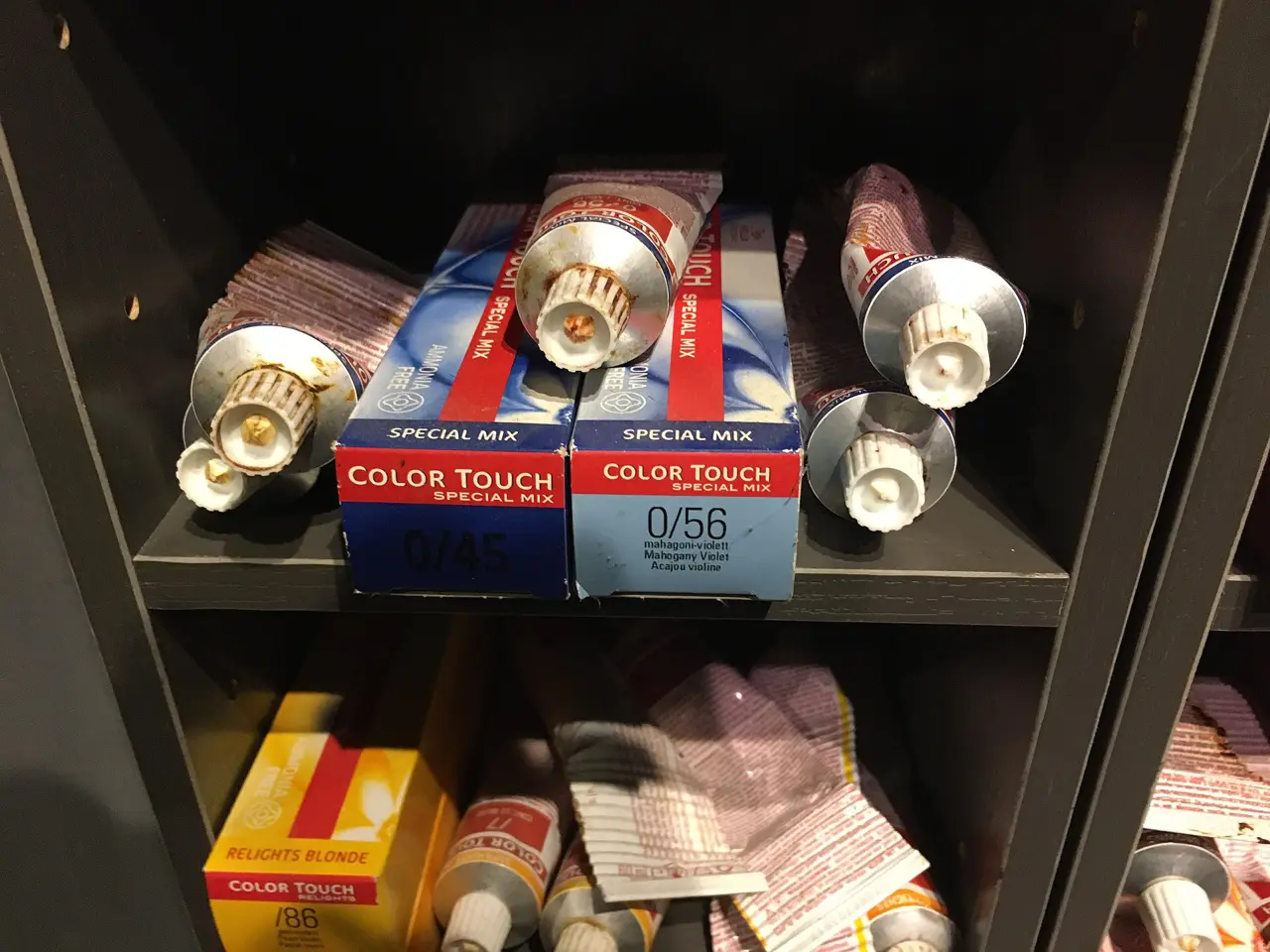
Gather everything before you begin: a box dye or professional colour suitable for human hair, a wig stand or a polystyrene head, a wide-tooth comb, sectioning clips, gloves, an old towel, a mixing bowl and brush, petroleum jelly to protect the lace, and a gentle sulphate-free shampoo and conditioner for the rinse-out. Work somewhere with good ventilation and protect your surfaces, because dye will stain a lace front if it soaks through, and it will definitely stain a bathroom.
Step by Step: How to Dye a Human Hair Wig
Step 1: Wash and detangle
Start with clean hair. Wash the wig gently to remove product build-up that would block the colour, following the method in our guide on how to wash a human hair wig, then let it dry completely. Detangle with a wide-tooth comb, working from the ends upwards so you do not pull hair from the cap.
Step 2: Protect the lace and cap
Mount the wig securely on the stand and pin it in place. If your wig has a lace front, apply a thin layer of petroleum jelly along the lace edge or cover the lace with tape. Dye that seeps into the lace can stain it permanently and can also stain the knots, which makes the hairline look unnatural.
Step 3: Mix and apply the colour
Mix the dye according to its instructions and put your gloves on. Working in small sections, apply the colour evenly from root to tip, using the brush and then combing through gently to distribute it. Take your time around the top and the hairline, where uneven patches are most visible. Curly and wavy wigs need extra patience to coat every strand; our guide to human hair curly wigs has more on handling textured hair without stretching out the curl pattern.
Step 4: Process and rinse
Leave the dye on for the time stated on the packaging, and no longer: over-processing is the fastest route to dry, brittle hair. Rinse with lukewarm water until the water runs clear, then wash gently with a sulphate-free shampoo and follow with a deep conditioner. Avoid hot water, which opens the hair cuticle and lets fresh colour escape.
Step 5: Dry and style
Pat the hair dry with a towel rather than rubbing it, then let the wig air-dry on the stand. Once dry, check the colour in natural daylight, because indoor lighting can flatter or deceive. If the shade is slightly lighter than you wanted, a second application of the same dye is usually safer than switching to a stronger product straight away.
Aftercare for Dyed Human Hair Wigs
Dyed hair needs moisture. Build a routine around gentle washing, regular conditioning and the occasional deep-conditioning treatment, and keep heat styling moderate with a heat protectant when you do use it. Our complete wig care guide for all wig types covers storage, brushing and washing routines in detail. Colour also fades faster with frequent washing, so wash only when the wig needs it and use cool water. Looked after properly, a dyed human hair wig can hold its colour and condition for a long time; our guide on how long wigs last explains the lifespan you can expect and the habits that shorten it.
Common Mistakes to Avoid
The most frequent errors are skipping the strand test, choosing a dye with harsh chemicals meant for resistant natural hair, leaving colour on too long, and dyeing a wig that has heavy silicone build-up, which produces patchy results. Another is trying to lift a very dark wig several shades in one session; gradual darkening is forgiving, but aggressive lightening is where most home dye jobs go wrong. If your wig is expensive or the colour change is dramatic, a professional colourist with wig experience is money well spent.
Final Thoughts
To dye a human hair wig successfully, prepare properly, protect the lace, apply colour patiently in sections, and follow up with serious conditioning. Done carefully, dyeing is one of the best ways to extend the life of a wig you already love, changing the shade instead of replacing the piece. Start with the strand test, take your time, and enjoy the new colour.