
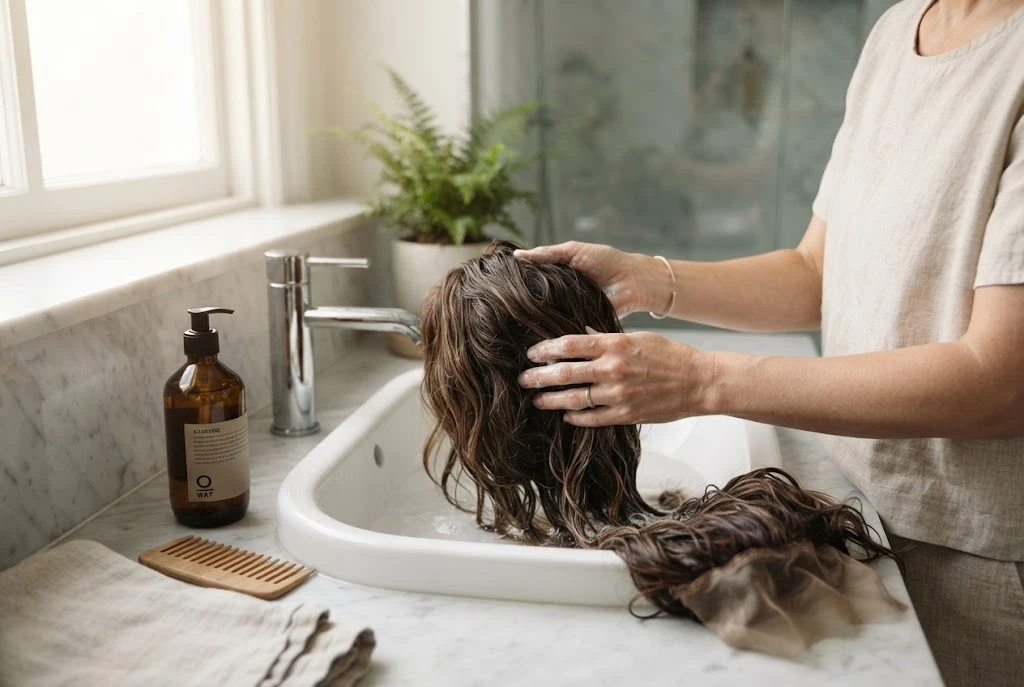
Learning how to wash a human hair wig correctly is essential for keeping it clean, soft, manageable and natural-looking. Because human hair wigs are made from real hair, they can usually be washed and conditioned much like natural hair, but the wig itself needs more careful handling than hair growing from your scalp.
Whether you wear your wig every day or only for special occasions, the right washing routine can help remove styling-product buildup, sweat and everyday dirt without unnecessarily stressing the hair or wig cap. In this guide, we explain how to wash a human hair wig step by step, what products to use, how to dry it safely and which common mistakes to avoid.
Can You Wash a Human Hair Wig?
Yes, you can wash a human hair wig. In fact, appropriate washing and conditioning are important parts of maintaining a human hair wig over time.
However, there is an important difference between washing a wig and washing your own hair. A wig is not attached to your scalp, so it does not receive natural oils from your scalp in the same way. Excessive washing can therefore leave the hair dry, while rough handling can cause unnecessary tangling, shedding or wear around the wig construction.
The safest approach is to clean the wig when it needs it, use gentle hair-care products and handle the hair carefully throughout the process.
What You Need to Wash a Human Hair Wig
Before you begin washing a human hair wig, prepare everything you need. This makes the process easier and reduces the amount of unnecessary handling while the hair is wet.
- A mild shampoo suitable for human hair
- A moisturising conditioner
- Cool or lukewarm water
- A wide-tooth comb or suitable wig brush
- A clean, soft towel
- A wig stand or suitable drying stand
- A clean sink or basin
Choose products that are appropriate for human hair and avoid unnecessarily harsh cleansing formulas. If your wig manufacturer provides specific care instructions, follow those recommendations because different constructions, treatments and hair textures can require different routines.
How to Wash a Human Hair Wig Step by Step
1. Gently Detangle the Wig Before Washing
Start by gently removing tangles before the wig gets wet. Place the wig securely on a stand or hold it carefully and work through the hair from the ends upwards.
Use a wide-tooth comb or brush designed for wigs. Begin at the bottom few centimetres of the hair and gradually move towards the roots. Avoid pulling aggressively through knots because tension can contribute to breakage and shedding.
Long human hair wigs often need extra attention around the nape, where friction from clothing can cause tangles.
2. Wet the Hair With Lukewarm Water
Use cool or lukewarm water to wet the wig thoroughly. Keep the hair flowing in its natural direction rather than turning the wig upside down or vigorously moving the fibres around.
Very hot water is unnecessary and can make the hair more difficult to manage. A gentle stream of water is enough to prepare the hair for shampoo.
3. Apply a Small Amount of Shampoo
Apply a small amount of mild shampoo to your hands and gently distribute it through the hair.
Rather than scrubbing the hair as you might scrub your scalp, smooth the shampoo down the lengths of the hair. Work from the top towards the ends while keeping the hair in the same general direction.
Pay attention to areas that may have accumulated styling products or everyday residue. There is usually no need to vigorously massage the cap or hair because excessive friction can create tangles.
4. Rinse the Wig Thoroughly
Rinse the shampoo out with cool or lukewarm water. Allow the water to flow down the length of the hair and continue rinsing until there is no obvious shampoo residue.
Take your time during this stage. Leftover shampoo can make the hair feel coated or heavy after drying.
5. Apply Conditioner
After shampooing, apply a suitable moisturising conditioner to the mid-lengths and ends of the hair. The ends usually benefit most from conditioning because they are older and can become dry more easily.
Gently distribute the conditioner with your fingers or a suitable wide-tooth comb. Avoid aggressive brushing while the hair is wet.
Leave the conditioner on for the amount of time recommended by the product instructions, then rinse thoroughly.
6. Remove Excess Water Carefully
Once the wig has been rinsed, do not wring or twist it. Instead, gently support the wig and allow excess water to drain away.
Place the wig inside a clean, soft towel and gently press or pat it to absorb moisture. Avoid rubbing the towel back and forth across the hair because friction can cause tangling and frizz.
7. Gently Detangle the Wet Hair
While the hair is still damp, carefully work through any remaining tangles. Start at the ends and gradually move upwards.
Use slow, controlled movements and avoid forcing the comb through knots. If a section is difficult to detangle, separate it into smaller sections rather than pulling harder.
8. Place the Wig on a Stand to Dry
Position the wig on a suitable stand and arrange the hair naturally. Allow it to dry in a well-ventilated area away from excessive direct heat.
Human hair wigs can generally be styled with heat when the hair and construction allow it, but repeated high-heat exposure can contribute to dryness and damage. Air drying is therefore a gentle option after washing.
Do not put a wet wig directly on a radiator or expose it to intense heat simply to speed up drying.
How Often Should You Wash a Human Hair Wig?
There is no universal washing schedule for every human hair wig. The ideal frequency depends on how often you wear it, how much styling product you use, your environment and how the wig looks and feels between washes.
A wig worn occasionally may require much less frequent washing than one worn several days a week. Washing too frequently can remove moisture from the hair and make it feel dry, while leaving heavy product buildup for too long can make the wig look dull or difficult to style.
Instead of following an arbitrary schedule, pay attention to the condition of the wig. If the hair feels coated, looks less fresh or has accumulated noticeable product residue, it may be time for a wash.
How to Wash Your Wig Without Causing Tangles
Tangling is one of the most common concerns when washing wigs. Fortunately, a few simple habits can make a significant difference.
- Detangle gently before washing.
- Keep the hair flowing in its natural direction.
- Do not scrub the lengths aggressively.
- Avoid twisting or wringing wet hair.
- Use a wide-tooth comb where appropriate.
- Start detangling at the ends and work upwards.
- Pat the wig dry instead of rubbing it with a towel.
- Allow the wig to dry in a controlled position on a stand.
These habits are particularly useful for long or textured human hair wigs, where small tangles can quickly become difficult knots.
Can You Use Regular Shampoo on a Human Hair Wig?
Human hair wigs are made from real human hair, but that does not mean every shampoo in your bathroom is automatically the best option. A mild, moisturising shampoo is generally a sensible choice, particularly if the wig hair has been chemically processed or coloured.
Avoid choosing a shampoo solely because it produces a lot of foam or has a strong cleansing effect. Gentle cleansing is more important than aggressive removal of every trace of oil or product.
If the wig manufacturer recommends a particular product range, using those products can help you stay within the care requirements intended for the wig.
Should You Condition a Human Hair Wig?
Conditioning is an important part of maintaining the softness and manageability of human hair. Because wig hair is no longer growing from a scalp, it does not receive ongoing natural oils from the roots in the same way as your own hair.
Apply conditioner mainly through the lengths and ends, then rinse according to the product instructions. A suitable leave-in conditioner or wig-friendly conditioning product can also be useful between washes when the hair needs additional moisture.
Do not overload the wig with conditioner or styling products. Excessive product buildup can make the hair look heavy and may mean the wig needs cleaning sooner.
Common Mistakes When Washing a Human Hair Wig
Washing the Wig Too Frequently
More washing is not always better. Frequent cleansing can contribute to dryness, particularly when combined with heat styling and other chemical or mechanical treatments.
Using Very Hot Water
Extremely hot water is unnecessary. Use cool or lukewarm water and handle the hair gently throughout the process.
Scrubbing the Hair Aggressively
Human hair may be stronger than synthetic fibres, but wig hair can still tangle and shed when handled roughly. Smooth the shampoo through the hair instead of aggressively rubbing it.
Rubbing the Wig With a Towel
Rubbing wet hair between a towel can increase friction. Gently pat and press the hair instead.
Brushing From the Roots Down
Starting at the roots can push tangles together and place unnecessary tension on the hair. Work from the ends upwards for greater control.
Using Too Much Heat
Human hair can tolerate styling heat when used appropriately, but repeated high temperatures can still dry out and weaken hair. Whenever possible, give the wig time to air dry naturally after washing.
How to Wash a Human Hair Wig at Home
Washing a human hair wig at home does not need to be complicated. A clean basin, gentle shampoo, conditioner, towel and wig stand are enough for a basic routine.
The most important part is to slow down. Detangle before washing, use gentle water pressure, cleanse without aggressive rubbing and take care when removing moisture. Once the wig is clean, allow it to dry naturally or style it only when appropriate for the particular wig.
If you are caring for a synthetic style as well, our guide on how to wash a synthetic wig explains why synthetic fibres require a different washing approach.
What to Do After Washing Your Human Hair Wig
Once the wig is completely dry, gently check the hair for remaining tangles. If necessary, use a suitable comb or brush and work through the ends first.
At this stage, you can style the wig according to its construction and the manufacturer’s instructions. If heat styling is permitted, use an appropriate heat-protection product and avoid unnecessary high temperatures.
When you are not wearing the wig, store it somewhere clean and dry where the hair will not be crushed or repeatedly rubbed against rough surfaces.
How to Wash a Human Hair Wig: Quick Checklist
- Gently detangle the wig before washing.
- Use cool or lukewarm water.
- Choose a mild shampoo suitable for human hair.
- Smooth shampoo through the hair instead of scrubbing aggressively.
- Rinse thoroughly.
- Apply a suitable conditioner to the lengths and ends.
- Never wring or twist the wet wig.
- Pat excess moisture away with a clean towel.
- Detangle carefully from the ends upwards.
- Allow the wig to dry naturally on a suitable stand when practical.
- Limit unnecessary heat styling.
- Follow the manufacturer’s care instructions for your specific wig.
Final Thoughts on Washing a Human Hair Wig
Once you understand how to wash a human hair wig, maintaining it becomes much easier. The goal is not simply to remove dirt and product buildup but to clean the hair without creating unnecessary dryness, tangling or mechanical stress.
Use gentle products, cool or lukewarm water and careful handling from beginning to end. Detangle gradually, avoid rubbing and twisting, condition the lengths and allow the wig to dry properly.
If you are building a complete wig-care routine, learning how to wash a wig at home can help you adapt these principles to different wig materials and constructions. With consistent care, a quality human hair wig can remain soft, manageable and natural-looking for longer.