
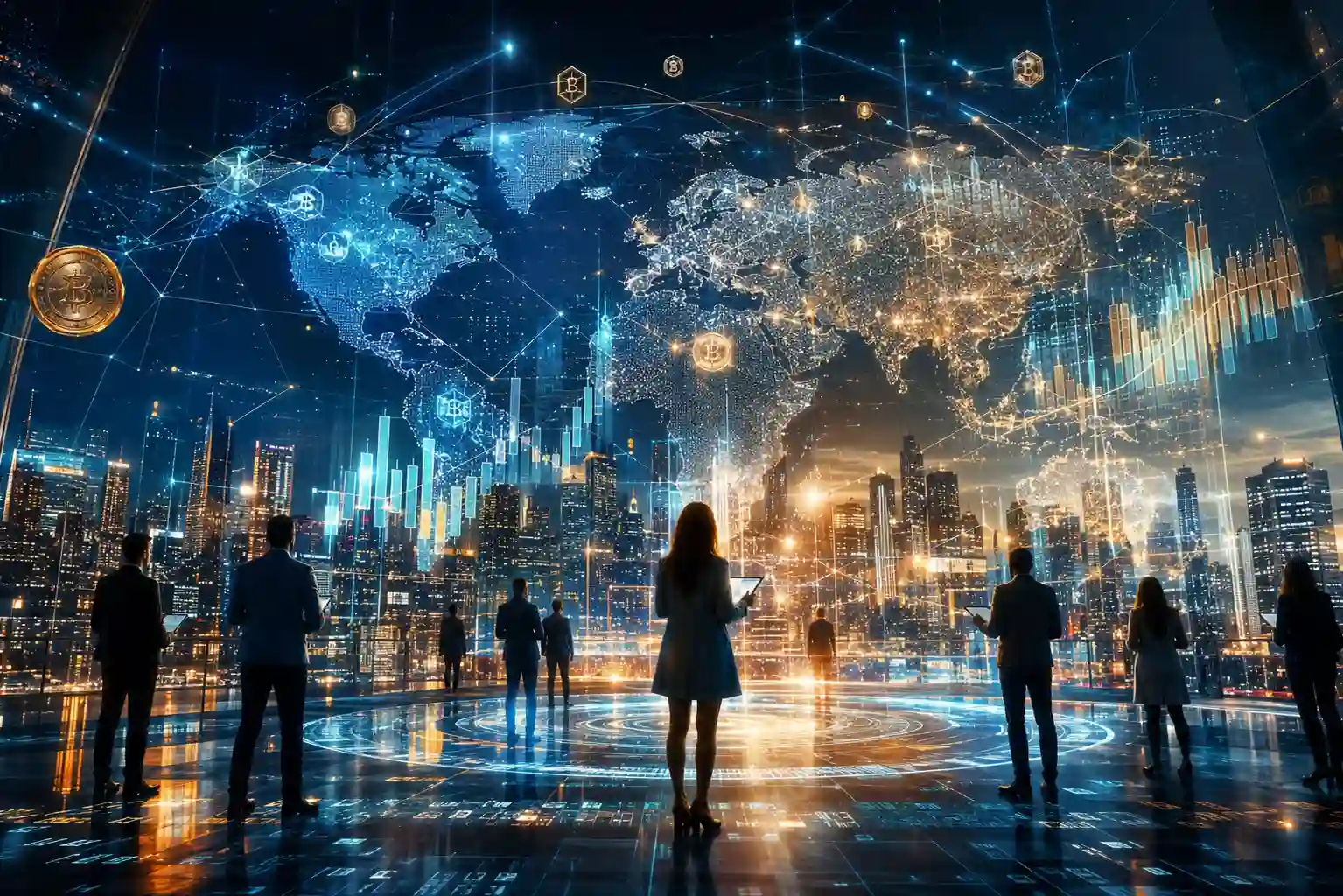
The digital economy is rapidly transforming the global financial landscape, with projections indicating it could reach a value of USD 800 billion by 2030. Driven by advancements in technology, increased internet penetration, and the rise of digital platforms, this sector is becoming a cornerstone of modern economic growth.
From e-commerce and fintech to artificial intelligence and cloud computing, the digital economy is reshaping how businesses operate and how consumers interact with services.
What Is the Digital Economy?
The digital economy refers to economic activities that are powered by digital technologies. This includes online transactions, digital services, and technology-driven business models.
Key components include:
- E-commerce platforms
- Financial technology (fintech)
- Cloud computing services
- Artificial intelligence and automation
According to the OECD, digital transformation is one of the primary drivers of productivity and innovation in modern economies.
Why the Digital Economy Is Growing Rapidly
Several factors are fueling the rapid expansion of the digital economy:
- Increased smartphone and internet usage worldwide
- Growth of remote work and digital services
- Rising demand for online shopping and payments
- Advancements in AI and data analytics
As discussed in our analysis of the need for economic system reform, traditional financial structures are evolving to accommodate digital transformation.
The Role of Businesses in the Digital Economy
Businesses are at the forefront of this transformation. Companies are investing heavily in digital infrastructure to remain competitive in an increasingly online world.
Key strategies include:
- Developing user-friendly digital platforms
- Leveraging data for decision-making
- Enhancing online visibility and branding
For example, businesses are turning to services like professional website design to establish a strong digital presence and attract global audiences.
Digital Economy and Global Financial Systems
The rise of the digital economy is closely linked to changes in global financial systems. Digital currencies, decentralized finance (DeFi), and blockchain technologies are challenging traditional banking systems.
This shift complements the challenges discussed in central bank inflation policies, where monetary systems are adapting to new economic realities.
Opportunities Created by the Digital Economy
The expansion of the digital economy is creating new opportunities across various sectors:
- Job creation in tech and digital services
- Global market access for small businesses
- Innovation in financial services
- Improved efficiency through automation
Startups and entrepreneurs are particularly benefiting from lower barriers to entry and access to global audiences.
Challenges and Risks
Despite its rapid growth, the digital economy also presents several challenges:
- Cybersecurity threats
- Data privacy concerns
- Regulatory uncertainties
- Digital divide between regions
Governments and organizations must work together to address these issues and ensure sustainable growth.
The Future of the Digital Economy
The digital economy is expected to continue its rapid expansion, driven by technological innovation and increasing digital adoption. By 2030, it will play a central role in shaping global economic structures.
As highlighted by the World Economic Forum, digital transformation will be key to building resilient and inclusive economies.
This aligns with our discussion on ongoing global challenges beyond the pandemic, where digital solutions are becoming essential.
Conclusion
The digital economy is no longer a future concept — it is a present reality driving global growth. Businesses, governments, and individuals must adapt to this transformation to remain competitive and relevant.
As we move towards 2030, the digital economy will continue to redefine how value is created, exchanged, and sustained across the world.