
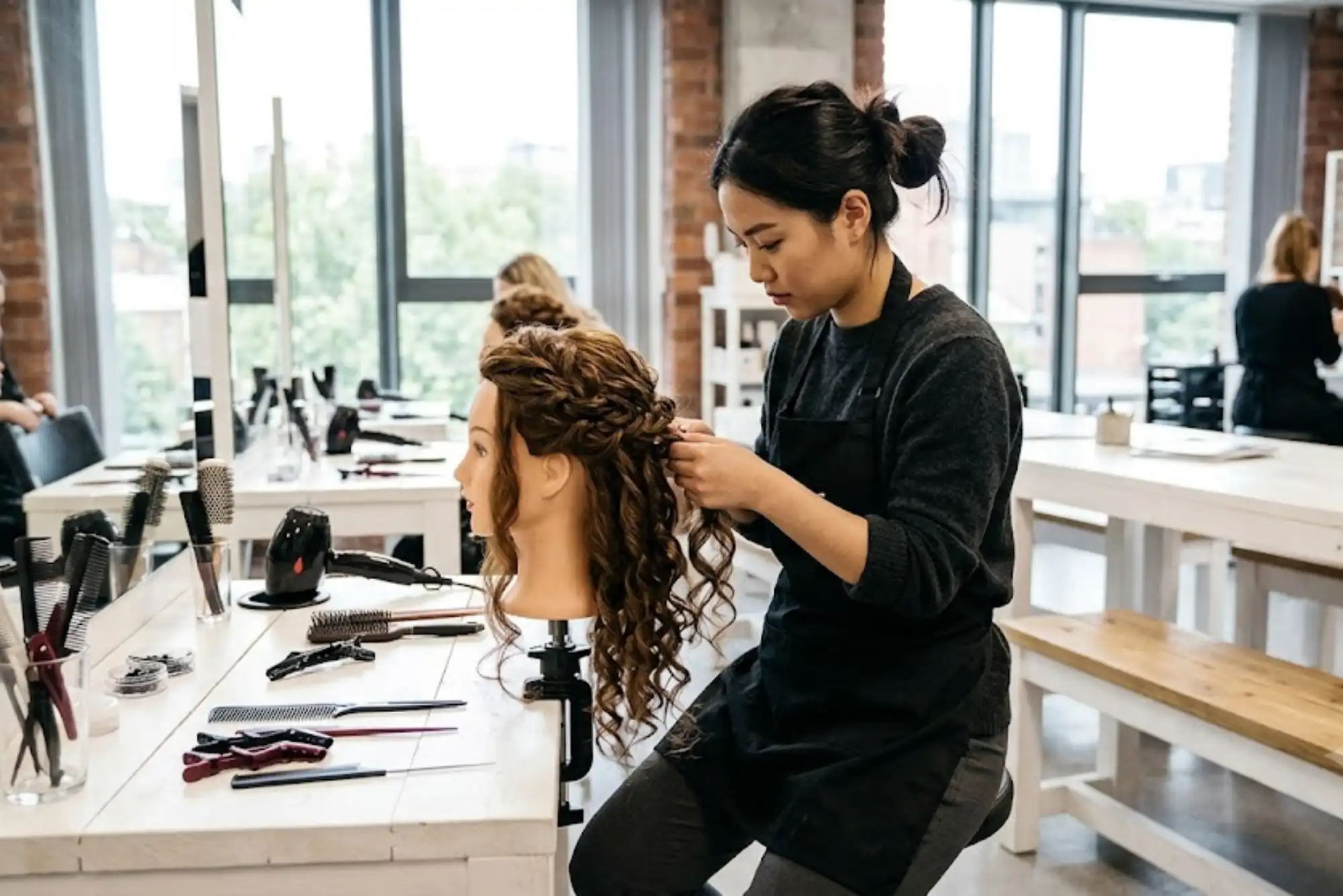
A practise hair head is an essential training tool for aspiring hairstylists, beauty students, salon apprentices, and even individuals learning hair techniques at home.
These mannequin heads allow users to develop practical skills without working directly on clients, helping build confidence before performing cuts, styling, braiding, colouring, or wig preparation.
Whether you’re preparing for professional qualifications or simply improving your hairstyling abilities, choosing the right practice head can make a significant difference.
In the UK, mannequin heads are widely used in beauty academies, training centres, and specialist wig fitting environments.
What Is a Practise Hair Head?
A practise hair head, sometimes called a training mannequin head, is a realistic model designed for hair education and skill development.
Depending on the model, the hair may be:
- 100% human hair
- Synthetic hair
- A blend of both materials
The head is attached to a clamp or stand, allowing users to practise multiple techniques safely.
Who Uses Practise Hair Heads?
They are suitable for a wide range of users.
- Hairdressing students
- Beauty therapists
- Salon apprentices
- Wig specialists
- Barbers
- Beginners learning at home
Training heads are also useful for individuals exploring alternative hair solutions following hair loss.
Many wig professionals use them when preparing custom pieces for clients experiencing alopecia.
What Can You Practise?
A quality mannequin head allows you to develop multiple skills.
Hair Cutting
Students can practise sectioning, layering, trimming, and shaping techniques.
Braiding
Different braid styles can be repeated until muscle memory develops.
Heat Styling
Certain human hair models tolerate:
- Straightening
- Curling
- Blow drying
Always check heat limitations before using styling tools.
Wig Preparation
Practise heads are commonly used for fitting and adjusting wigs.
This is particularly relevant for businesses that support people experiencing hair loss.
Should You Choose Human Hair or Synthetic Hair?
The answer depends on your goals.
Human Hair Models
Advantages include:
- More realistic texture
- Heat styling compatibility
- Colouring practice opportunities
- Professional-level training
They are typically more expensive.
Synthetic Hair Models
Advantages include:
- Lower cost
- Good for beginners
- Simple maintenance
However, synthetic fibres may not tolerate heat.
How Does This Relate to Hair Loss Support?
Practise heads play an important role within the wider hair replacement industry.
Many wig consultants and hair professionals who support alopecia patients use training heads regularly.
Understanding hair loss conditions can also help professionals better support their clients.
For example, learning about autoimmune hair thinning can provide valuable context when working with people experiencing hair loss.
What Features Should You Look For?
Several features influence quality.
- Hair length
- Hair density
- Hair type
- Head size
- Clamp quality
- Heat resistance
Choosing a model that matches your learning objectives will improve your training experience.
How Can Hair Professionals Better Understand Client Concerns?
Hair professionals increasingly support clients dealing with thinning hair.
Building awareness around common concerns can improve communication.
Clients often ask questions about:
- Genetics
- Hair shedding
- Scalp health
- Medical conditions
Understanding resources such as hairfall before and after recovery journeys may help professionals discuss realistic expectations.
Why Is Scalp Education Also Important?
Healthy hair starts with a healthy scalp.
Stylists and wig specialists often benefit from understanding common scalp conditions.
Learning about scalp tenderness and hair loss can improve awareness of symptoms that may require referral to a healthcare professional.
Stylists should avoid diagnosing conditions themselves but can encourage clients to seek appropriate advice.
Can Hairdressers Diagnose Hair Loss?
No.
Hair professionals are not medical diagnosticians.
However, they can identify unusual patterns and recommend that clients consult their GP.
In many cases, healthcare providers may recommend a hair loss blood test to investigate potential underlying causes.
Supporting Clients Emotionally Matters Too
Hair loss can significantly affect confidence.
Professionals who work closely with clients often become an important source of encouragement.
If clients are struggling emotionally, pointing them towards an alopecia helpline may help them access additional support.
Where Can You Learn Professional Hairdressing Skills?
Accredited colleges and training providers across the UK offer courses covering practical hairdressing techniques.
For recognised information about hairdressing qualifications, the City & Guilds hairdressing qualifications information provides useful guidance.
Final Thoughts
A practise hair head is far more than a beginner’s accessory. It is a valuable educational tool used throughout the beauty, hair replacement, and professional styling industries.
Choosing a quality mannequin head allows learners to build confidence, develop technical skills, and better support future clients.
When combined with a strong understanding of hair health and realistic client expectations, these tools become an important part of professional development.