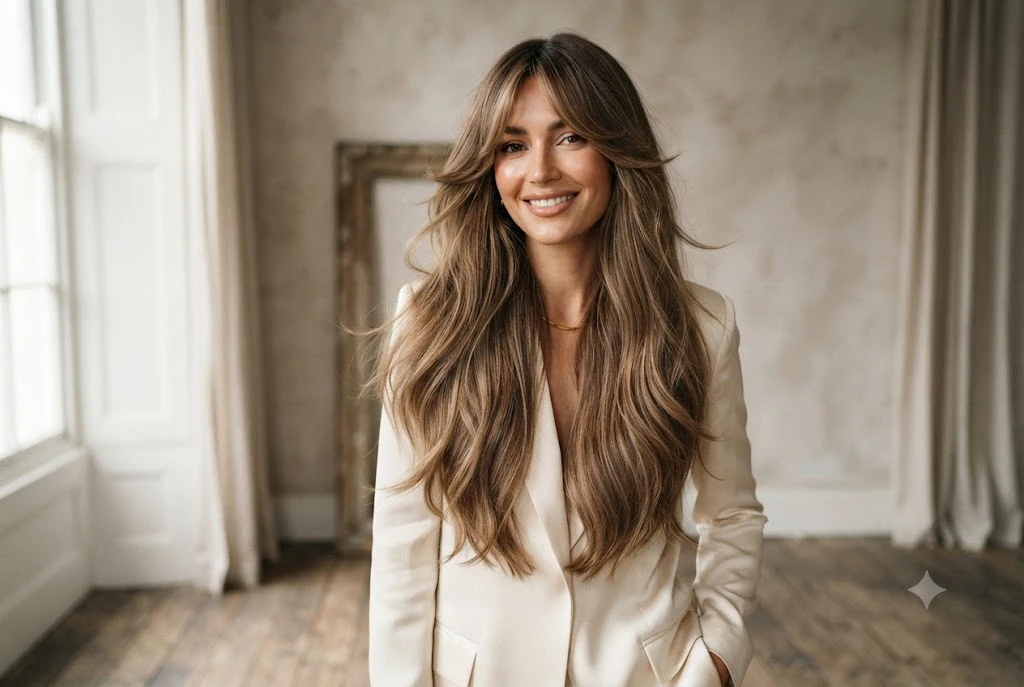
Long layered hairstyles are a versatile choice for anyone who wants to keep their length while adding movement, shape and dimension. Layers can transform long hair without requiring a dramatic reduction in overall length, making them suitable for straight, wavy, curly and textured hair.
From long hair layers with curtain bangs to soft feathered finishes and blonde layered cuts, there are many ways to customise a long hairstyle. The right layering technique can also help frame the face, reduce unwanted heaviness and make long hair easier to style.
Why Long Layered Hairstyles Are So Popular
Long hair can sometimes look heavy or lack visible movement when it is cut at one uniform length. Layers break up that solid shape and allow different sections to move independently.
The advantage is that you can create noticeable texture without sacrificing the majority of your length. Longer layers can produce subtle movement, while shorter face-framing sections can create more definition around the cheeks and jawline.
Layering can also work across a wide range of styling preferences. You can wear the hair straight and polished, create loose waves, add curls or simply allow your natural texture to shape the finished look.
Best Long Layered Hairstyles to Try
1. Classic Long Layers
Classic long layers are one of the easiest ways to update long hair while maintaining its overall length. The layers begin lower down the hair, creating movement without making the haircut appear heavily textured.
This approach works particularly well if you usually wear your hair straight but occasionally want to add waves. The different lengths become more visible when the hair is curled or waved.
2. Long Hair Layers With Curtain Bangs
Long hair layers curtain bangs create a soft, face-framing hairstyle that combines movement throughout the lengths with a gradual fringe around the face.
Curtain bangs typically part around the centre and become longer towards the sides. When blended into long layers, they can create a seamless transition from the shorter front pieces into the rest of the hair.
This style works particularly well with loose waves because the fringe and layers can move together rather than looking like separate sections.
3. Long Hair Layered Curtain Bangs
Long hair layered curtain bangs can be adjusted according to how much framing you want around your face. Longer curtain bangs provide a subtle change, while shorter pieces create a more noticeable focal point.
If you have naturally wavy or curly hair, discuss the expected dry length with your stylist before deciding how short the fringe should be. Texture can make shorter pieces spring upwards more than expected.
4. Long Feathered Layers
Long hair feathered hairstyles create a softer, flowing effect through the lengths. Instead of producing sharp changes between sections, feathered layers are blended to encourage the hair to move away from the face and into the rest of the hairstyle.
This can be particularly attractive when the hair is blow-dried with gentle volume. It also creates a softer alternative to heavily defined layers.
5. Long Straight Layers
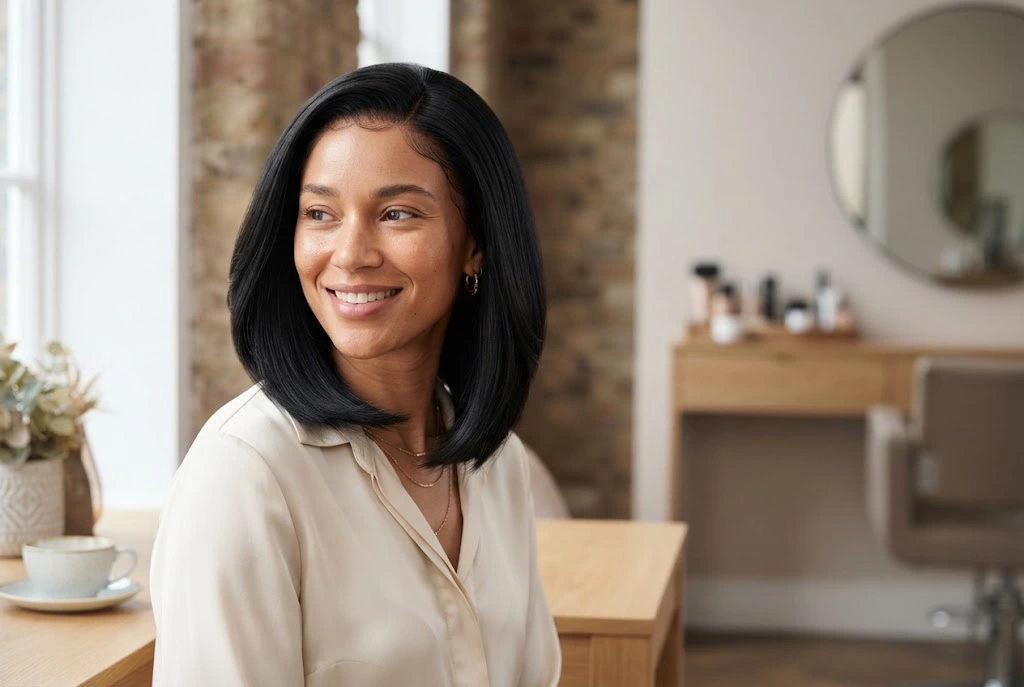
Long hair straight layers are ideal if you want to keep a sleek appearance while adding movement. The layers can remain relatively long so that the hair still looks polished when worn straight.
A clean blow-dry can emphasise the graduation between sections, while a smooth finish highlights the overall length. This approach is especially useful for people who enjoy switching between straight and textured styling.
6. Face-Framing Long Layers
Face-framing layers focus primarily on the front sections of the haircut. The shortest pieces can be positioned around the cheekbones, jawline or chin, then gradually blend into the longer lengths.
This technique can make a long haircut feel more personalised without significantly changing the shape at the back. It is also a useful option if you want more movement around the face but still wear most of your hair long.
7. Layered Long Blonde Hairstyles
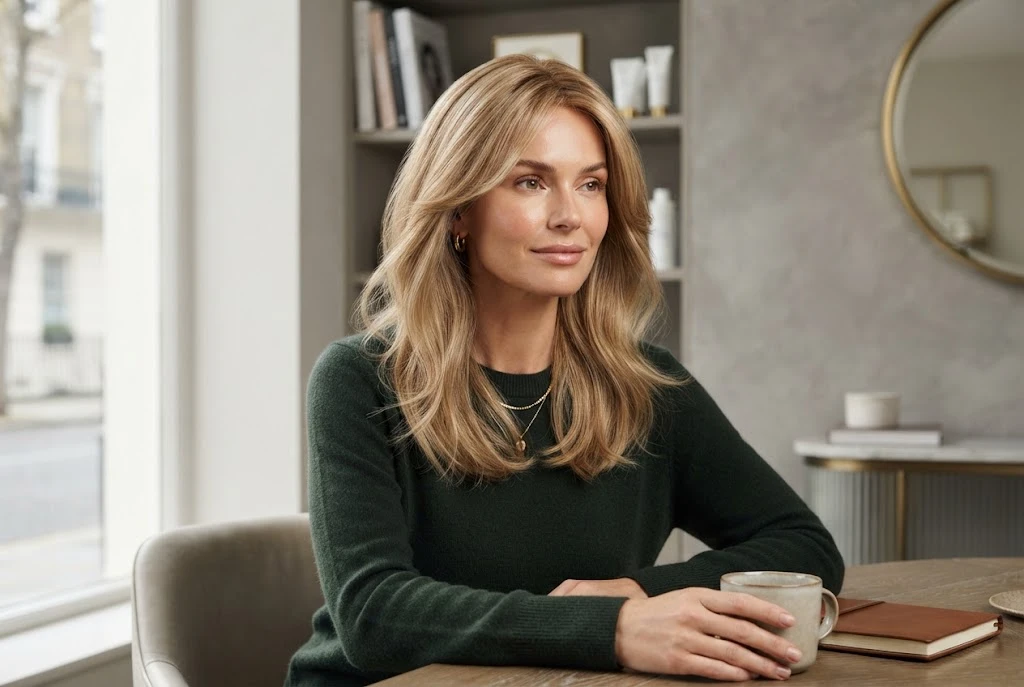
Layered long blonde hairstyles can make the different levels of a haircut particularly visible. Light reflects differently across each section, helping create the impression of dimension.
Long blonde layers can be styled straight for a polished finish or waved to emphasise movement. Soft highlights can also complement layered cuts by creating subtle variation through the lengths.
When colouring long hair, maintaining the condition of the ends is especially important. Regular trims and appropriate hair-care products can help preserve a healthy-looking finish.
8. Long Blonde Layered Haircuts
Long blonde layered haircuts can range from subtle and elegant to highly textured. A long, softly layered cut is useful if you want movement without losing the visual impact of long hair.
For a more noticeable result, combine multiple layers with face-framing pieces. The contrast between shorter sections around the face and longer lengths at the back can create a distinctive silhouette.
9. Voluminous Long Layers
Long layers can also be used to create the appearance of greater movement and volume. Blow-drying the hair with a round brush can lift the roots while encouraging the layers to curve away from the face.
This technique is particularly useful for special occasions, but the same haircut can be worn more naturally on everyday days.
10. Long Layered Waves
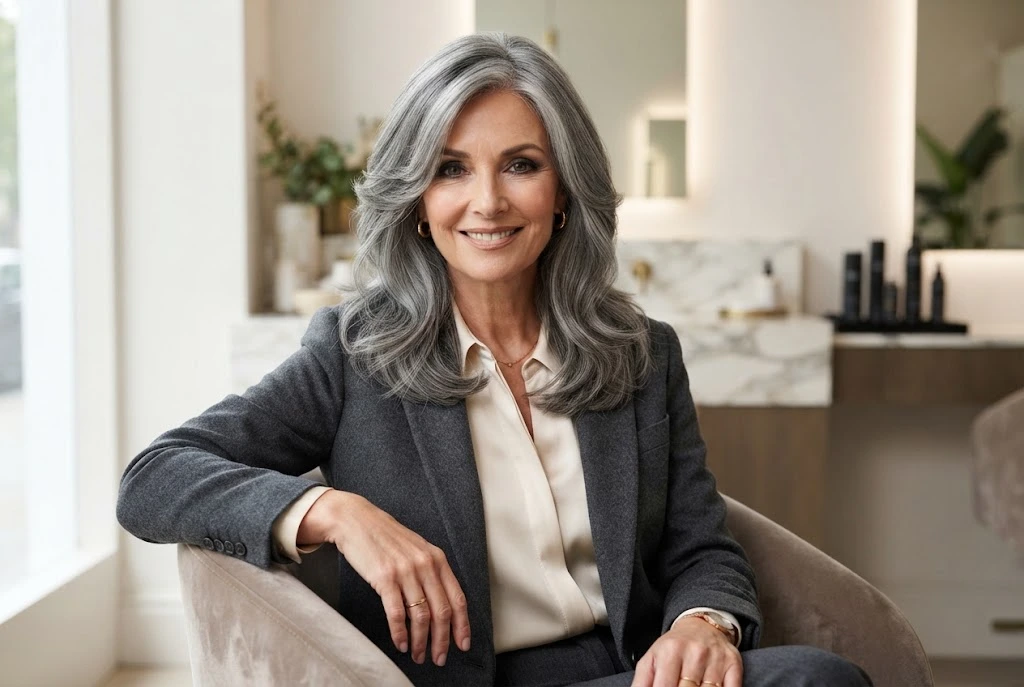
Waves reveal the shape of layered hair more clearly than a completely straight finish. Loose waves can make the shorter sections blend into the longer lengths while creating movement throughout the hairstyle.
If your hair is naturally wavy, you may only need a lightweight styling product to encourage definition. If you create waves with heated tools, use suitable heat protection before styling.
11. Soft U-Shaped Layers
A U-shaped long haircut keeps more length in the centre and gradually becomes shorter towards the sides. Adding subtle layers can create movement while preserving the impression of substantial length.
This is a useful choice for anyone who wants layers but does not want a highly graduated haircut. The shape can look especially elegant when the hair is worn smooth.
12. Long Butterfly-Inspired Layers
A layered cut with shorter, voluminous sections around the face and longer lengths underneath can create a dramatic, flowing appearance. The style is often associated with a bouncy blow-dry and visible movement around the face.
The advantage of this approach is its ability to create a noticeable transformation while retaining plenty of length. It can also be adapted to different densities by adjusting how much hair is removed from each section.
13. Long Layers With Side Parting
Changing the parting can alter how layered hair falls around the face. A side part can add lift to one side while creating a more dramatic sweep across the forehead.
For an evening finish, combine the side part with soft curls or waves. For everyday styling, simply changing the part can refresh the haircut without using heated tools.
14. Long Layers With Soft Waves
Soft waves are an excellent match for long layers because the texture highlights different lengths throughout the hair. Instead of creating tight curls, use relaxed bends that preserve the length and keep the overall finish natural.
Leave some space between the waves and avoid excessive product. The goal is movement rather than a rigid hairstyle.
15. Subtle Long Layers
If you are nervous about removing too much hair, subtle long layers provide a gentle alternative. The difference between the shortest and longest sections can remain relatively small, creating movement without dramatically changing the silhouette.
This can be particularly useful for very long hair where preserving length is the priority. The haircut can still feel fresher and lighter while maintaining its original character.
How to Choose Layers in Hair Long Enough for Different Styles
When considering layers in hair long, think about where you want the movement to begin. Layers that start around the shoulders create a more noticeable change, while layers beginning lower down preserve a heavier and longer appearance.
Your hair density should also influence the decision. Fine hair may benefit from fewer, longer layers that preserve weight. Thick hair can generally support more layering, although excessive removal can make the ends look unnecessarily thin.
Your everyday styling habits matter too. If you regularly wear a ponytail, longer layers may be more practical because fewer short sections will fall out around the face.
Long Layered Hairstyles for Straight Hair
Straight hair showcases the exact structure of a layered haircut. This makes precise cutting particularly important because uneven sections can be more visible than they would be in heavily textured hair.
Long hair straight layers can be subtle enough to preserve a sleek appearance. A stylist can also introduce face-framing sections if you want more movement near the front.
For a polished finish, straighten or blow-dry the lengths while keeping the ends smooth. A small amount of lightweight finishing product can help control flyaways without making the hair look greasy.
Long Layered Hairstyles for Wavy Hair
Wavy hair can naturally emphasise the movement created by layers. The key is to make sure the haircut works with the natural wave pattern rather than forcing the hair into an entirely different shape.
Long layers can prevent waves from becoming weighed down by excessive length. Face-framing pieces can also encourage the natural texture to form around the face.
For a relaxed finish, apply a suitable styling product to damp hair and gently scrunch the lengths. Allowing the hair to dry naturally or using a diffuser can help preserve the wave pattern.
How to Style Long Layered Hair
The styling method you choose can completely change the appearance of a layered haircut. A smooth blow-dry emphasises the structure, while waves create a softer and more casual finish.
For volume, use a round brush while blow-drying and direct sections away from the face. Once the hair has cooled, gently separate the layers with your fingers.
For waves, work in manageable sections and create loose bends rather than tight curls. Alternate the direction of some sections to produce a more natural result.
If you prefer to air dry, use a lightweight product suitable for your natural texture. Avoid repeatedly brushing textured hair while it dries because this can disturb the natural pattern.
Long Layered Hairstyles With Curtain Bangs
One of the most popular combinations is long layers with a curtain fringe. The shorter front sections create movement around the face, while the long layers maintain the length through the rest of the haircut.
The transition between the bangs and layers should be gradual. This creates a connected shape rather than making the fringe look like a separate feature.
Curtain bangs also offer flexibility because they can be worn open, swept to one side or blended into the surrounding layers as they grow.
How to Maintain Long Layered Hair
Long hair can be more exposed to everyday friction, heat and environmental factors, particularly around the ends. Gentle care can help maintain a healthy-looking appearance.
Use hair-care products suited to your texture and avoid unnecessary heat styling. When using heated tools, apply a suitable heat-protection product first.
Regular trims can also help preserve the shape of the layers and remove worn ends. How often you need a trim depends on your haircut, hair condition and styling routine.
If your hair is coloured blonde, additional attention may be useful because chemical processing can affect the condition of the lengths. Choose a routine that supports the needs of your coloured hair rather than relying solely on styling products.
Are Long Layered Hairstyles Suitable for Fine Hair?
Long layers can work on fine hair, but the layering needs to be controlled. Removing too much weight can make the ends appear thinner, particularly when the hair is already low in density.
Long, subtle layers can therefore be a better choice than numerous short sections. Keeping a strong baseline while adding movement higher up can create a balance between texture and fullness.
Are Long Layers Suitable for Thick Hair?
Thick hair often provides more flexibility for layering. Longer and internal layers can distribute some of the weight while allowing the hair to retain its overall length.
However, the goal should be controlled movement rather than simply removing as much hair as possible. Excessive thinning can sometimes make the ends look uneven or reduce the visual strength of the haircut.
Long Layered Hairstyles or One-Length Hair?
A one-length haircut creates a stronger and more uniform outline, which can be ideal if you prefer a sleek and substantial appearance. Long layers introduce movement and can make the haircut feel lighter and more dynamic.
The right choice depends on your preferred look. If you frequently wear your hair straight and want a minimalist finish, a strong baseline may suit you. If you enjoy waves, volume or face-framing movement, layers may provide greater versatility.
Final Thoughts on Long Layered Hairstyles
Long layered hairstyles offer a practical way to transform long hair while keeping the length that makes it distinctive. From curtain bangs and feathered finishes to subtle layers and blonde cuts, the possibilities can be adapted to different textures, densities and styling routines.
The most successful layered haircut is not necessarily the one with the most layers. Instead, the best result comes from placing the layers where they improve movement, frame the face and complement the natural behaviour of the hair.
If you are comparing different lengths before making a change, our guides to hairstyles for medium length hair and hairstyles for shoulder length hair provide ideas for shorter alternatives. For a sleeker long-hair direction, you can also explore long straight hairstyles.
For additional professional inspiration on long hair and current styling ideas, the British Vogue long-hairstyles guide provides further examples of contemporary cuts and styling approaches.