
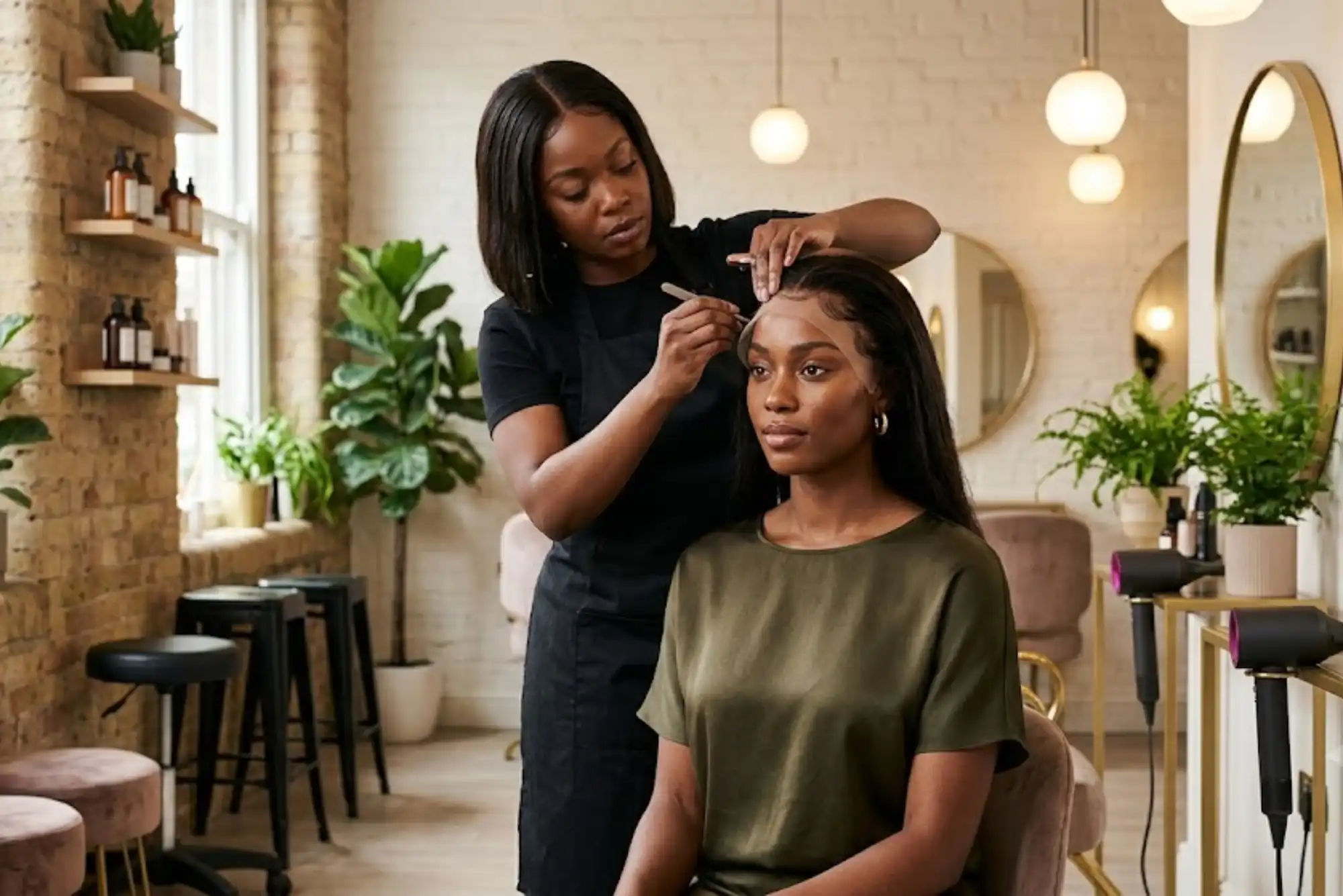
A lace front frontal wig can be an excellent choice when a natural-looking hairline and flexible styling are high on your list of priorities. By combining a frontal construction with a lace front, this type of wig is designed to create a seamless-looking transition around the front of the head while offering different ways to wear and arrange the hair. Understanding the construction, fit, lace material and maintenance requirements can help you choose a style that works for your everyday routine.
What Is a Lace Front Frontal Wig?
A lace front frontal wig is a wig that uses a lace-based frontal section across the front of the head. Hair is attached to the lace to imitate the appearance of strands growing naturally from the scalp, while the frontal helps create a defined hairline across the front.
The term can describe different constructions, so it is worth checking the product specifications before buying. Lace quality, frontal size, hair material, density and cap design can all vary between wigs.
The main appeal is the combination of a realistic-looking front with greater flexibility than some traditional wig constructions. Depending on the design, the wearer may be able to part or move the hair around the front rather than keeping it in one predetermined position.
How Does a Lace Front Frontal Wig Work?
The lace frontal is positioned at the front of the wig and is designed to replicate the appearance of a natural hairline. Individual hair strands are distributed across the lace, helping create a gradual transition between the hair and the scalp area.
When the wig is correctly fitted, the lace can become less noticeable against the skin. However, the final appearance depends on several factors, including the colour and quality of the lace, the density of the hair and how the wig is positioned.
The rest of the wig may use a different cap material or construction. This means that the frontal provides the realistic-looking front while the underlying cap provides much of the structure and security.
Why Choose a Lace Front Frontal Wig?
There are several reasons shoppers may choose this construction over a standard wig.
Natural-Looking Hairline
The frontal is specifically designed to improve the appearance of the hairline. Rather than having a visibly defined wig edge, the lace can create a softer transition between the hair and skin.
This can be particularly useful with hairstyles where the hair around the face is visible. Swept-back styles, side parts and other open-front looks can benefit from a well-designed frontal.
More Styling Options
Depending on the construction, a frontal can allow the hair to be moved in different directions around the front of the head. This provides more flexibility than a wig that has a permanently fixed parting.
However, the exact styling possibilities vary between products. Always check whether the particular wig is designed for the style you want before purchasing it.
Wide Range of Hairstyles
Lace front frontal wigs are available in many lengths, colours and textures. You can choose a sleek short style, a longer layered look, loose waves or defined curls depending on your preferences.
This makes the construction suitable for people with very different styling goals. The lace front does not dictate the hairstyle; it primarily affects the way the front of the wig is constructed.
Lace Front Frontal Wig vs Frontal Wig
The terms can sometimes be used interchangeably, but they can refer to slightly different aspects of a wig’s design. A frontal describes the section that covers the front portion of the head, while “lace front” describes the lace material used around the front hairline.
As a result, a lace front frontal wig essentially combines these concepts into one construction. It is designed to provide the coverage of a frontal while using lace around the front to create a more discreet hairline.
When comparing products, do not rely solely on the terminology used in the product title. Look at the actual frontal dimensions, lace material, cap construction and styling information to understand what you are buying.
Different Lace Types to Consider
Lace is an important consideration because different lace materials can provide different visual and practical characteristics.
Standard Lace
Standard lace can provide a balance between appearance, durability and price. It is commonly used in lace-based wig constructions and can be suitable for shoppers looking for a practical everyday option.
Fine Lace
Finer lace can create a more discreet appearance because the material may blend more easily with the skin. However, delicate materials can require careful handling.
If an especially subtle lace appearance is important to you, you may also want to compare this construction with HD lace wigs, which are specifically designed around the use of very fine lace.
How to Choose the Right Lace Front Frontal Wig
Choosing the right lace front frontal wig requires consideration of both appearance and practicality. Start by thinking about how you intend to use the wig.
Consider the Hair Material
Human hair and synthetic fibres have different characteristics. Human hair generally provides more freedom to restyle and can offer a natural appearance, but it often requires more maintenance.
Synthetic wigs can be convenient for people who prefer a style that is ready to wear and designed to retain its intended shape. Some synthetic fibres are heat-friendly, while others should not be exposed to heated styling tools.
Check the Frontal Coverage
Look at how much of the front of the head the frontal is designed to cover. A wider frontal may provide more coverage across the front, while a smaller construction may offer a different balance between appearance and practicality.
The right option depends on the hairstyles you want to create. If you regularly wear the hair away from your face, front coverage may be particularly important.
Choose the Right Density
Hair density affects how full the finished wig looks. A higher-density wig can create a fuller appearance, while a lighter density can produce a softer and potentially more understated result.
Consider the texture and length as well. Curly or wavy hair can appear fuller than straight hair even when the stated density is similar.
Select a Suitable Length
Shorter wigs are often easier to manage, while longer styles offer more options for creating different looks. Think about your daily routine and how much time you are prepared to spend on styling.
If you want a low-maintenance everyday hairstyle, a short or medium-length frontal may be more practical than a very long wig.
How to Make a Lace Front Frontal Wig Look Natural
Correct fitting is essential when you want the lace front to look as discreet as possible. Even a high-quality wig can appear unnatural if it is positioned incorrectly.
Start With a Secure Fit
The wig should sit securely without being uncomfortably tight. If it moves during normal activity, the hairline may shift and become more noticeable.
Use the wig’s built-in adjustment features where available to create a comfortable fit. Avoid overtightening simply to make the wig feel secure.
Position the Hairline Carefully
Place the wig so that the frontal sits in a natural position relative to your own hairline and facial proportions. The ideal placement can vary from person to person.
Once positioned, gently arrange the hair around the forehead and temples. Shorter hairs and face-framing layers can help create a softer overall appearance.
Choose a Suitable Parting
A centre part can create a symmetrical appearance, while a side part can add a different shape around the face. Some frontal constructions offer greater freedom to change the parting than others.
Choose the option that complements your features rather than assuming one parting will suit everyone.
Can You Style a Lace Front Frontal Wig?
Many lace front frontal wigs can be styled, but the available options depend on the hair material and construction.
Human hair generally provides the greatest flexibility. It can often be washed, dried and restyled using suitable methods, allowing you to change the appearance over time.
Synthetic wigs are usually designed to retain their original style. Heat-friendly synthetic fibres may allow some additional styling, but standard synthetic fibres can be damaged by high temperatures.
Always check the manufacturer’s instructions before using heat, chemical products or other treatments on your wig.
Lace Front Frontal Wig Maintenance
Good maintenance helps protect both the hair and lace. The frontal deserves particular care because repeated pulling or rough handling can affect the lace and hair attachment.
- Handle the lace gently when putting on or removing the wig.
- Use a suitable wig brush or comb rather than pulling through tangles aggressively.
- Follow the manufacturer’s washing instructions.
- Use products designed for the specific wig material.
- Keep the wig away from unnecessary heat if it is made from standard synthetic fibres.
- Allow the wig to dry fully before storing it.
- Store the wig in a clean, dry location away from direct sunlight.
It is also useful to avoid excessive manipulation of the frontal. Gentle handling can help maintain the appearance of the lace and preserve the overall shape of the wig.
Frontal Wig or Full Lace Wig?
The main difference between a frontal construction and a full lace construction is the amount of lace coverage. A frontal focuses primarily on the front section, whereas a full lace design can provide lace coverage over a much larger area.
If you mainly want a realistic-looking front hairline and do not need extensive styling flexibility across the entire head, a frontal may be sufficient. If you want greater freedom to change the direction and arrangement of the hair across the head, full lace wigs may be worth considering.
The choice should therefore be based on the hairstyles you actually plan to wear rather than simply choosing the construction with the most features.
Who Should Consider a Lace Front Frontal Wig?
This type of wig can suit people who value the appearance of a natural-looking hairline and want more styling flexibility around the face.
It can be useful for special occasions, regular fashion styling or everyday wear, provided that the selected wig is comfortable and appropriate for the intended use.
It can also be a useful option for someone who enjoys changing hairstyles without making permanent changes to their natural hair.
Common Buying Mistakes to Avoid
One of the most common mistakes is choosing a wig based entirely on photographs. Images can show a particular styling technique, lighting setup or application method that may not reflect the wig’s appearance in everyday use.
Before buying, check the product specifications carefully. Look at the hair material, lace type, density, length, cap size and care instructions.
Another mistake is choosing a style that looks impressive but does not match your lifestyle. A very long or dense wig may require considerably more maintenance than a shorter, lighter style.
Finally, do not assume that every lace front can be styled in exactly the same way. Construction varies, so always confirm the manufacturer’s styling recommendations.
Final Thoughts on Lace Front Frontal Wigs
A lace front frontal wig combines a frontal construction with lace around the front hairline to create a polished and potentially natural-looking finish. Its main advantages include the appearance of the hairline, a broad selection of hairstyles and useful flexibility around the front of the head.
The best choice depends on the features that matter most to you. Consider the lace, hair material, density, length, cap construction and intended styling before making a purchase.
If you want a natural-looking front without necessarily needing the extensive coverage of a full lace design, a lace front frontal wig can offer a practical middle ground. Taking the time to choose the right construction and care for it properly can make the wig both attractive and enjoyable to wear.