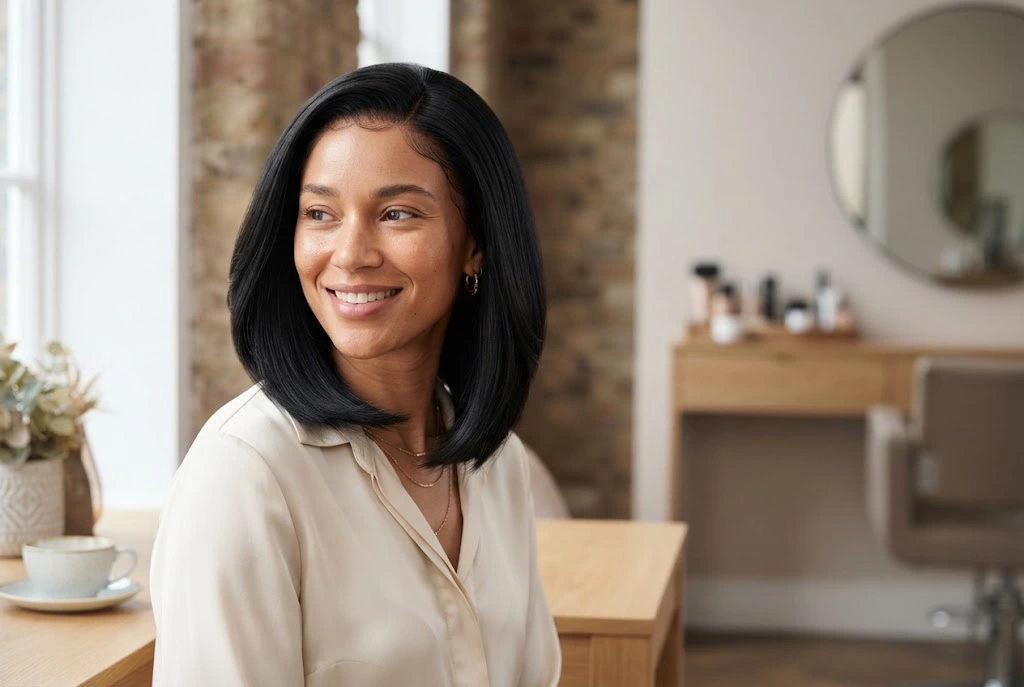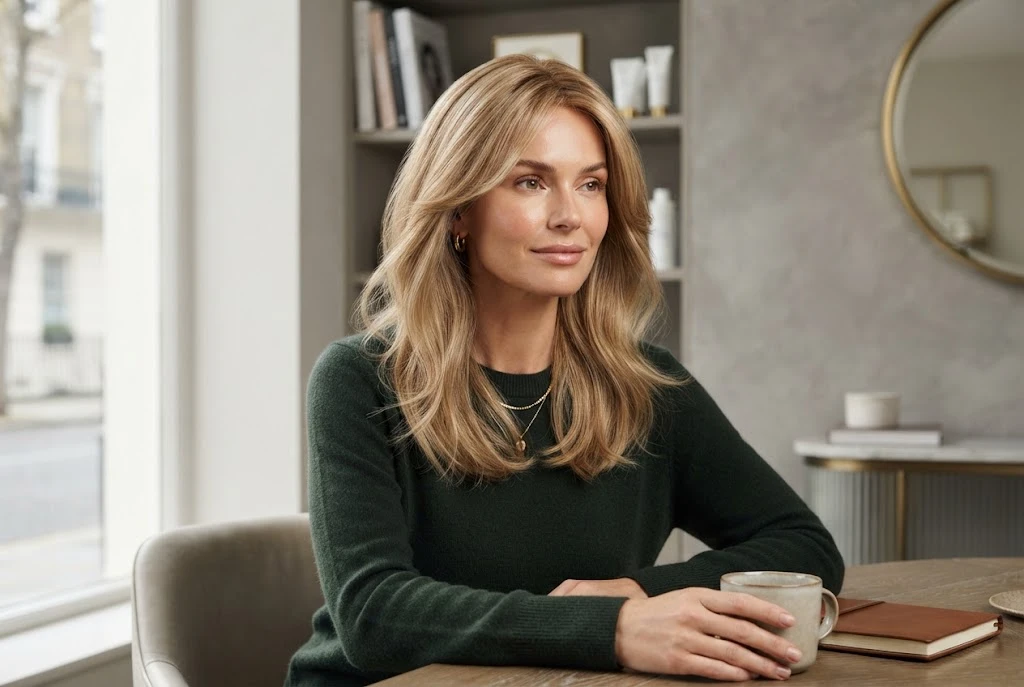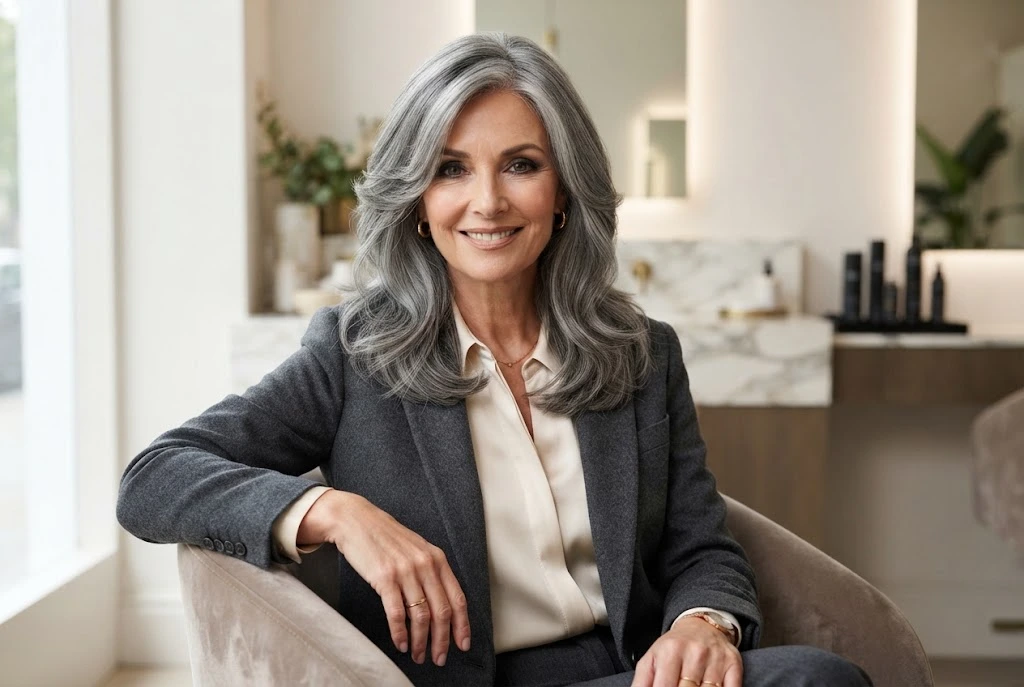
Choosing the right hair layering types can completely transform your hairstyle by adding movement, volume, and shape. Whether your hair is straight, wavy, or naturally curly, the right layering technique enhances your natural texture while making styling easier. Instead of following every trend, understanding how different layers work allows you to select a haircut that complements both your hair type and lifestyle.
In this guide, we’ll explain the most popular layering techniques, how they work for different hair textures, and why professional layering can make a significant difference in your overall look.
What Are Hair Layering Types?
Hair layers are created by cutting sections of hair at different lengths to add dimension and movement. Rather than leaving every strand the same length, layers reduce bulk, increase volume where needed, and create a softer overall appearance.
The ideal layering style depends on several factors, including your hair density, curl pattern, face shape, and desired level of maintenance.
Why Layers Remain So Popular
Layered haircuts continue to be among the most requested salon styles because they suit almost every hair texture.
- Add natural movement.
- Create the appearance of fuller hair.
- Reduce excess weight in thick hair.
- Enhance natural curls and waves.
- Improve styling versatility.
- Frame facial features beautifully.
Popular Hair Layering Types
1. Long Layers
Long layers remove weight while maintaining overall hair length. They are perfect for medium to long hairstyles and provide subtle movement without dramatically changing your appearance.
2. Short Layers
Short layers create additional volume near the crown and work especially well for fine or flat hair. They also make shorter hairstyles appear more textured.
3. Face-Framing Layers
These layers soften facial features by gradually shortening the hair around the face. Face-framing layers suit almost every face shape and pair beautifully with curtain bangs.
4. Invisible Layers
Invisible layers create movement without making the haircut appear heavily layered. They’re ideal for people who prefer a polished, natural finish.
5. Choppy Layers
Choppy layers produce a textured, modern appearance with plenty of movement. They’re popular in shag hairstyles and contemporary medium-length cuts.
Hair Layers for Curly Hair
Curly hair often benefits from careful layering because it distributes weight more evenly while allowing curls to form naturally. However, layering curly hair requires different techniques than layering straight hair.
When done correctly, hair layers for curly hair help define curls without creating unwanted bulk.
Benefits of Layered Curly Hair
- Enhances natural curl definition.
- Removes excessive weight.
- Reduces the triangle-shaped effect.
- Improves overall bounce.
- Makes curls easier to style.
Whether you describe it as layered curly hair, layered curly hairstyles, layers and curly hair, or layering hair curly, the goal remains the same: creating balanced shape while preserving healthy curl patterns.
Choosing Layers for Different Curl Types
Loose Waves
Long layers encourage soft movement while preventing hair from looking heavy.
Defined Curls
Medium layers help distribute volume evenly throughout the hairstyle.
Tight Curls
A professional stylist can carefully create layers curly haircut techniques that maintain shape while avoiding excessive shrinkage.
Proper hair layers curly hair techniques ensure curls retain definition rather than becoming uneven.
How Layered Hair Works with Different Face Shapes
Round Face
Long layers below the chin create the illusion of added length.
Oval Face
Most layering styles complement this versatile face shape.
Square Face
Soft layers around the jawline help balance stronger facial features.
Heart-Shaped Face
Face-framing layers add fullness around the chin and create visual balance.
Styling Layered Hair
One of the biggest advantages of layered hair is its versatility. Depending on your hair type, you can:
- Air dry for a natural finish.
- Use a round brush for volume.
- Create loose waves with a curling wand.
- Diffuse naturally curly hair.
- Add lightweight texturising spray for extra movement.
If you’re working with curls, our guide on how to style short curly hair offers practical styling techniques that complement layered curly cuts.
Professional Layering Makes a Difference
Although DIY tutorials are widely available, professional stylists understand how different hair layering types interact with natural growth patterns, density, and texture. This is particularly important for curly hair, where incorrect layering may produce uneven volume.
The NHS Healthy Living guidance also recommends maintaining overall health through good nutrition and hydration, both of which contribute to healthier hair.
Maintaining Layered Hairstyles
To keep layers looking fresh:
- Book trims every 8–12 weeks.
- Use a moisturising conditioner.
- Avoid excessive heat styling.
- Apply heat protection before blow drying.
- Choose products suitable for your hair texture.
Related Hairstyles to Explore
Layering is also a defining feature of several modern hairstyles. If you enjoy textured cuts, you may also like our guide to the mens shag hairstyle, which uses strategic layering to create movement and volume.
Final Thoughts
The best hair layering types enhance your natural hair rather than working against it. Whether you have straight, wavy, or curly hair, professional layering can improve volume, reduce bulk, and create a more balanced hairstyle.
By choosing the right layering technique for your hair texture and face shape, you’ll enjoy a haircut that’s easier to style, healthier looking, and naturally flattering throughout the year.