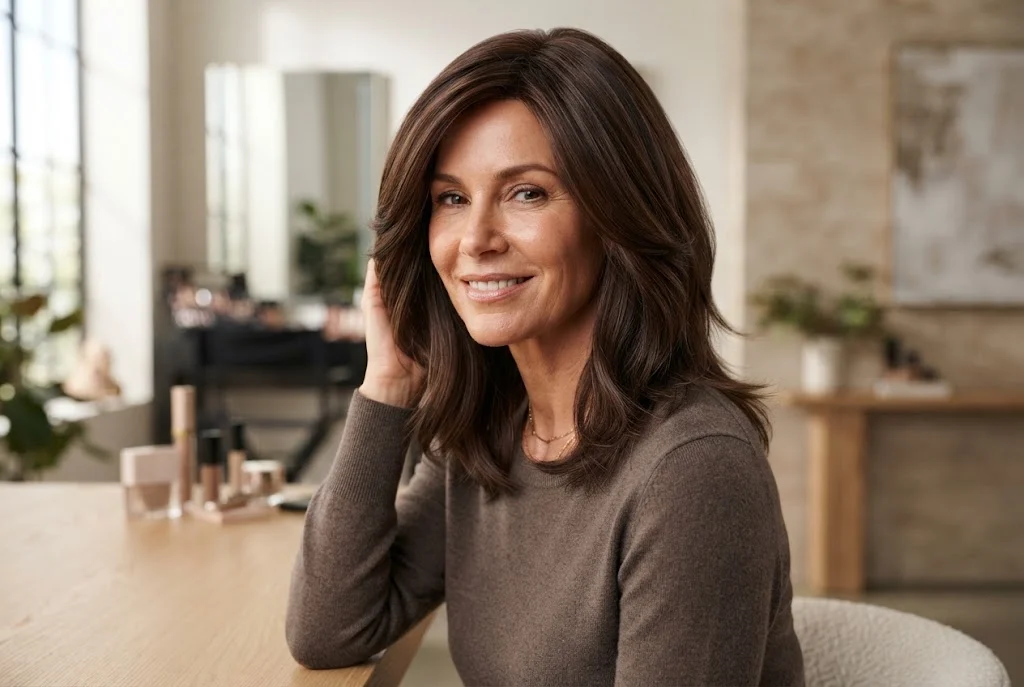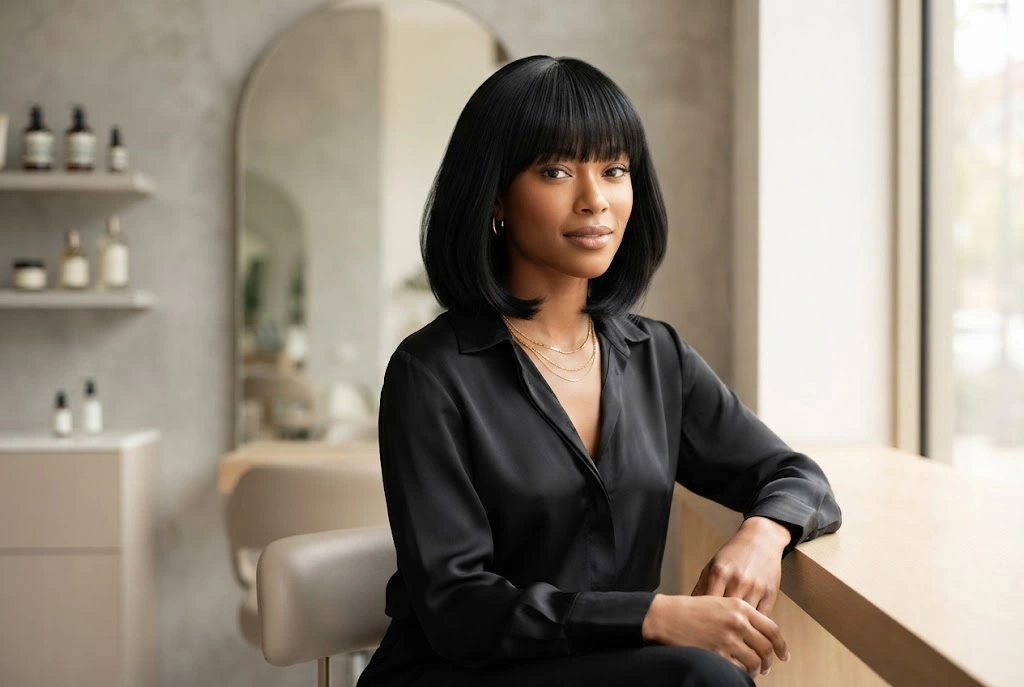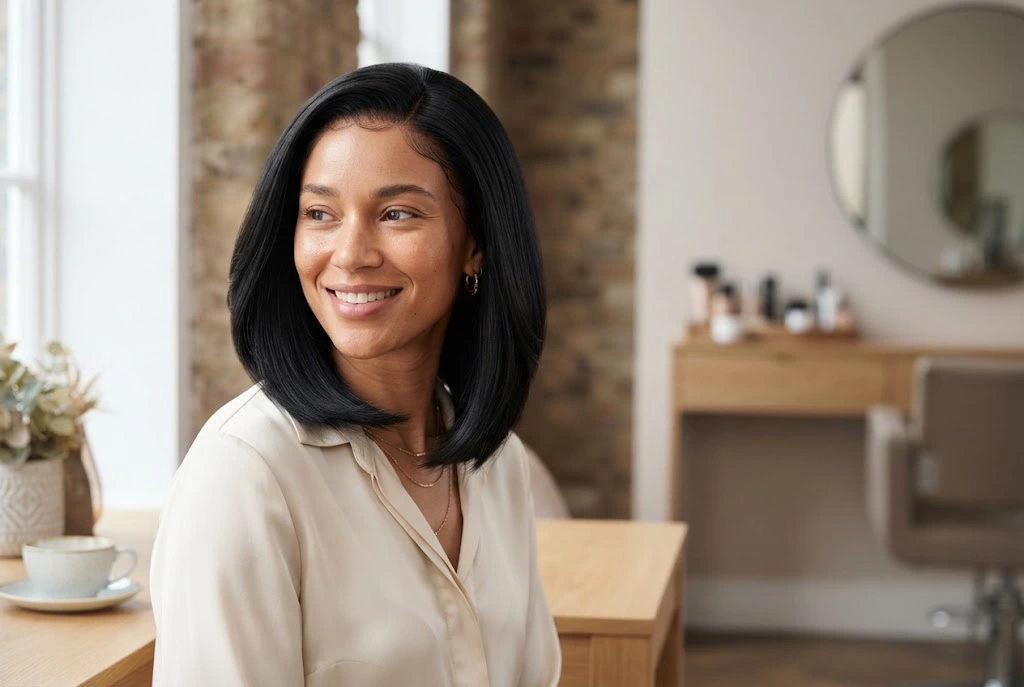
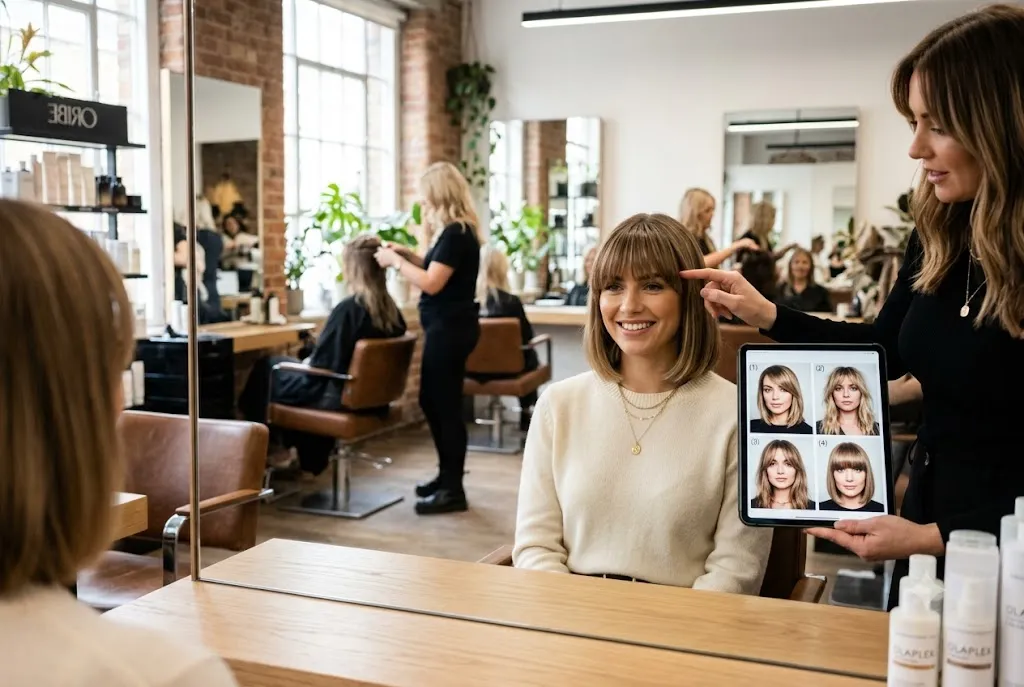
Fringe hairstyles have remained one of the most versatile hair trends for decades. Whether you prefer a soft side fringe, a dramatic full fringe, or a modern layered style, adding a fringe can completely transform your appearance without changing the overall length of your hair. From elegant long fringes to bold statement cuts, there is a fringe style to suit virtually every face shape and hair texture.
This guide explains the different types of fringes, the difference between fringes and bangs, and how to choose the right fringe hairstyle for your individual look.
What Is Fringe Hair?
Many people ask, what is fringe hair, what is hair fringe, or what is a fringe in hair. In the UK, the term fringe refers to the section of hair cut shorter at the front to frame the forehead. In North America, the same hairstyle is generally called bangs.
Although the names differ depending on where you live, both refer to the same styling concept that enhances facial features and complements different haircuts.
Fringe vs Bangs: Is There a Difference?
When comparing fringe vs bangs, the biggest distinction is simply terminology rather than style.
- Fringe is the commonly used term throughout the UK.
- Bangs is the preferred term in the United States and Canada.
Whether you call them fringes or bangs, they include a wide variety of styles ranging from blunt cuts to wispy layered looks.
Types of Fringes
There are many types of fringes, allowing women to personalise their hairstyle according to their face shape, hair texture, and lifestyle.
Full Fringe
A classic full fringe falls evenly across the forehead and creates a bold, timeless appearance.
Wispy Fringe
Light, feathered strands create a softer finish that blends naturally into the rest of the hair.
Curtain Fringe
Parted down the middle, curtain fringes frame the face while remaining easy to style.
Side Fringe
A side-swept fringe offers a flattering option for women who prefer a softer, asymmetrical look.
Long Fringe Hairstyles
Long fringe hairstyles provide versatility because they can be worn across the forehead, swept to one side, or blended into layered haircuts. They are particularly popular among women who want the option of styling their fringe in different ways.
Long fringes also grow out gracefully, making them easier to maintain than shorter cuts.
Side Fringe Hairstyles
Side fringe hairstyles remain one of the most flattering choices for all age groups. The diagonal shape softens facial features while adding movement and volume.
They work especially well with:
- Long layered hair
- Shoulder-length cuts
- Bob hairstyles
- Pixie cuts
- Soft waves
Many stylists recommend side fringes for square and round face shapes because they create the illusion of length.
How to Choose the Right Fringe Style
For Round Faces
Long side fringes and curtain-inspired styles help elongate facial features.
For Oval Faces
Almost every fringe style works well, from blunt cuts to wispy layers.
For Square Faces
Soft textured fringes reduce the appearance of strong jawlines.
For Heart-Shaped Faces
Light feathered fringes balance a wider forehead while maintaining softness.
Fringe Hairstyles for Different Hair Types
Straight Hair
Straight hair showcases clean lines and polished fringe styles beautifully.
Wavy Hair
Natural waves pair well with textured fringes for an effortless finish.
Curly Hair
Modern cutting techniques make fringes suitable for naturally curly hair too. Carefully shaped curly fringes celebrate natural texture instead of trying to hide it.
For more inspiration, our guide to curtain bangs hairstyles explores one of today’s most popular fringe trends, while our article on bob hairstyles explains which bob cuts pair beautifully with different fringe styles.
Styling Tips for Fringe Hairstyles
Keeping a fringe looking fresh requires only a few simple habits.
- Trim every 4–6 weeks.
- Use lightweight styling products.
- Blow-dry using a small round brush.
- Avoid applying heavy oils near the roots.
- Protect hair with a heat protectant before styling.
These small steps help maintain volume and prevent the fringe from becoming flat or greasy.
Trying Fringe Hairstyles with Wigs
If you’re uncertain about committing to a fringe, wigs provide an excellent opportunity to experiment. Many human hair and premium synthetic wigs are available with full fringes, side fringes, curtain styles, and layered designs, allowing you to test different looks before making a permanent change.
Maintaining Healthy Hair
Healthy hair naturally enhances every fringe style. Using quality shampoos, conditioning regularly, and protecting hair from excessive heat all contribute to stronger, shinier hair.
For trusted advice on maintaining healthy hair and overall wellbeing, visit the NHS Healthy Living guidance.
Final Thoughts
Fringe hairstyles continue to evolve while remaining one of the easiest ways to refresh your appearance. Whether you prefer a long fringe, side fringe, full fringe, or modern curtain-inspired style, the right cut can frame your face beautifully and complement almost any haircut. By selecting a fringe that suits your face shape and hair type, you’ll enjoy a timeless look that’s both fashionable and easy to maintain.