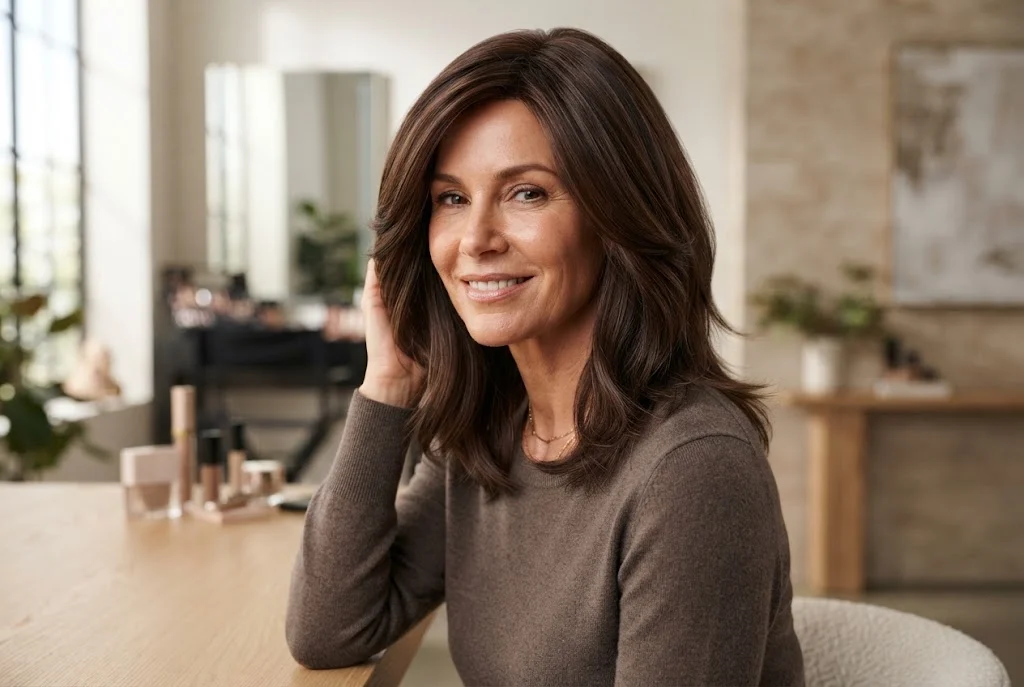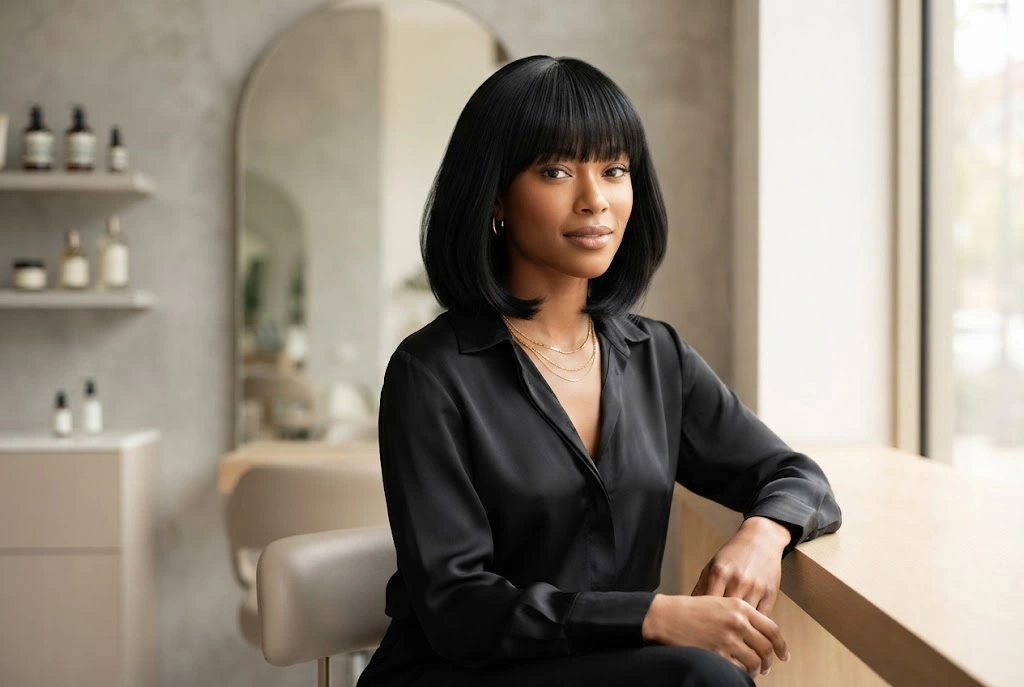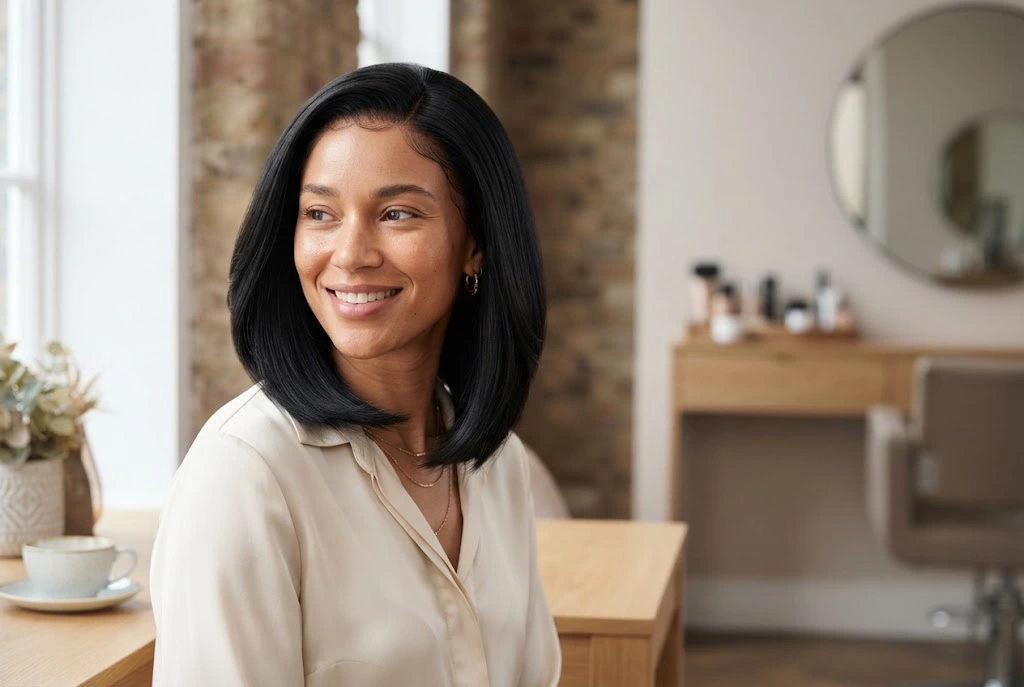

Medium wavy hairstyles offer one of the most versatile ways to wear your hair. Sitting between short and long lengths, medium hair has enough movement to show off soft waves while remaining practical for everyday styling. Whether your hair is naturally wavy or you create texture with styling tools, there are plenty of medium wavy hairstyles to suit different face shapes, hair textures and personal styles.
The beauty of this length is its flexibility. You can wear loose beachy waves for a relaxed daytime look, polished S-waves for an evening occasion, or add layers and face-framing pieces for extra movement. Current mid-length hair trends also show how adaptable this category can be, with waves, layers, sleek finishes and textured cuts all working particularly well at this length.
Why Medium Wavy Hairstyles Are So Versatile
Medium-length hair gives you plenty of styling options without the weight that can sometimes come with very long hair. The length can sit around the shoulders, collarbone or slightly below, depending on the haircut and individual proportions.
For naturally wavy hair, this length can be especially flattering because the wave pattern has room to develop without becoming weighed down by excessive length. Layers can also help reveal natural movement, while a more solid cut can create a fuller-looking silhouette.
British Vogue’s coverage of medium-length hair highlights just how many directions this length can take, from tousled waves and wavy ends to layered looks, polished waves and sleek finishes. This makes medium hair a useful foundation for creating a style that can change with your outfit, occasion or mood.
Best Medium Wavy Hairstyles to Try
1. Soft Beach Waves
Soft beach waves are an easy starting point if you want a relaxed and modern appearance. Instead of creating tight curls, the aim is to form loose bends that give the hair texture without making the style look overly structured.
This look works particularly well with wavy shoulder length hair. Leave the ends slightly straighter for a more contemporary finish, or allow the waves to continue through the ends for a softer result.
For naturally wavy hair, you may only need a lightweight styling cream or texture product to encourage the existing pattern. If your hair is straight, a waving wand or straighteners can be used to create loose bends.
2. Layered Medium Waves
Layers can make a significant difference to medium wavy hair. They remove some weight and help individual sections move independently, giving the hairstyle more dimension.
Longer layers are a good choice when you want movement without dramatically changing the overall shape. Face-framing layers can also draw attention towards the cheekbones and jawline while helping the waves fall naturally around the face.
This style is particularly useful if you want a haircut that looks good with minimal styling. When the layers are designed around the natural wave pattern, the hair can retain movement even when it is allowed to air dry.
3. Wavy Collarbone Cut
A collarbone-length cut is an excellent middle ground for anyone who does not want a traditional short bob but also does not want to maintain long hair. The ends sit around the collarbone, creating enough length for different hairstyles while keeping the overall shape manageable.
For a modern finish, combine the cut with loose waves and a subtle centre or side parting. The result can look polished without appearing overly formal.
If you are considering a broader selection of cuts around this length, our guide to hairstyles for shoulder length hair is a useful next step.
4. Medium Wavy Bob
A longer bob, often called a lob, works beautifully with waves. A medium wavy bob can be cut with relatively blunt ends for a fuller appearance or softened with subtle layers for additional movement.
Loose waves prevent a longer bob from looking too rigid. They also give the haircut a more relaxed finish, particularly when the waves are uneven rather than perfectly identical.
If you have fine hair, keeping too many layers out of the bottom section can help maintain the appearance of density. On thicker hair, strategically placed layers can make the style easier to manage.
5. Side-Parted Medium Waves
A simple change in your parting can transform a familiar hairstyle. A deep or moderate side part can give medium wavy hair additional lift at the roots and create a more dramatic silhouette.
This approach works especially well for evening styling. Create loose waves through the lengths, sweep one side away from the face and finish with a lightweight hairspray. The look is elegant without requiring a complicated updo.
6. Face-Framing Medium Waves
Face-framing pieces can make medium wavy hairstyles feel more personalised. Instead of having every layer fall at the same point, shorter sections around the face create a gradual transition into the rest of the hair.
The technique can work with both naturally wavy and heat-styled hair. The key is to avoid making the front layers too short if your hair has a strong wave pattern, as shorter pieces may spring up more than expected.
7. Polished S-Waves
Not every wavy hairstyle needs a casual, beach-inspired finish. S-waves create a smoother, more defined pattern that can look sophisticated for weddings, dinners and formal events.
Start with a smooth base, then create gentle bends through the mid-lengths and ends. Once the hair has cooled, lightly loosen the waves with your fingers or a suitable brush. A small amount of shine-enhancing product can help create a polished finish.
8. Tousled Medium Waves
For an effortless everyday hairstyle, tousled waves are difficult to beat. The goal is not perfection. Instead, the hair should have visible movement with slightly irregular bends.
This works particularly well when you want your medium hair wavy styles to look natural. Varying the direction of individual waves can prevent the finished style from looking too uniform.
Medium Wavy Hairstyles for Different Hair Textures
The best medium wavy hairstyle depends partly on how your hair naturally behaves. A haircut that works beautifully on fine, loose waves may require different layering on thick or coarse hair.
Fine Wavy Hair
Fine hair can benefit from cuts that preserve weight around the ends. Too many short layers may make the hair look thinner, so subtle layering is often more effective.
Loose waves can also create the impression of additional body. A lightweight volumising product at the roots can help support the shape without making the lengths feel heavy.
Thick Wavy Hair
Thicker hair gives you more room to experiment with layers. Internal or longer layers can reduce excess weight while preserving the overall length.
It is worth discussing your natural wave pattern with your stylist before choosing the cut. Wavy hair can behave differently once it dries, so the finished shape should account for natural movement rather than relying entirely on the appearance of wet hair.
Naturally Wavy Hair
If your hair already has a natural wave, the easiest approach is usually to work with it rather than against it. British Vogue’s advice on wavy hair similarly emphasises enhancing the natural texture and allowing hair to air dry where practical.
Apply a suitable styling cream or anti-frizz product to damp hair, gently scrunch the lengths and allow the wave pattern to develop. Avoid repeatedly brushing the hair while it dries, as this can disrupt the shape and increase unwanted frizz.
How to Style Medium Wavy Hair
Good styling begins with the right preparation. After washing, gently remove excess water rather than aggressively rubbing the hair. Apply a lightweight styling product through the mid-lengths and ends, concentrating on areas where you want more definition.
If you want to enhance natural waves, scrunching the hair upwards can encourage the existing pattern. You can then air dry or use a diffuser on a gentle setting.
For heat-styled waves, divide the hair into manageable sections. Create loose bends rather than tight curls, alternating the direction of some sections to produce a more natural finish. Always use an appropriate heat-protection product before using heated styling tools.
British Vogue’s guidance on creating waves also recommends leaving some space at the root and ends when using a tong, helping the finished result look softer rather than like a series of tight curls.
How to Make Medium Wavy Hairstyles Last Longer
Waves often lose their shape because of excess product, humidity, brushing or simply the weight of the hair. Keeping the styling routine light can help preserve movement.
Use only enough product to define the texture. Heavy creams and oils can sometimes weigh down medium-length waves, especially on fine hair. If your hair becomes oily quickly, focus richer products on the ends rather than the roots.
When sleeping, loosely gathering the hair can also reduce unnecessary friction. In the morning, refresh individual sections with a small amount of water or styling product rather than restyling the entire head.
Medium Wavy Hairstyles With Layers or Bangs?
Layers are usually one of the easiest ways to add movement to medium wavy hair, but bangs can change the character of the cut considerably. A soft curtain fringe can blend naturally into waves, while a longer side fringe can provide a subtle face-framing effect.
Short, blunt bangs require more consideration because waves can make them appear shorter or more prominent once the hair dries. If you prefer a low-maintenance option, longer fringe pieces that merge into the sides may be easier to manage.
For anyone comparing different medium-length cuts, our guide to hairstyles for medium length hair covers layered and other versatile options that can be adapted to different textures.
Choosing the Right Medium Wavy Hairstyle for Your Face Shape
There is no single rule that determines which haircut suits a particular face shape. However, the placement of volume and layers can influence the overall balance of a hairstyle.
For a rounder appearance, longer face-framing pieces and volume towards the crown can create a more elongated visual effect. For longer face shapes, waves that add width around the sides can provide balance.
Heart-shaped faces can work well with softer layers around the jaw, while oval face shapes tend to suit a broad range of medium-length cuts. Your hair density and natural wave pattern should remain just as important as face shape when making the final decision.
Are Medium Wavy Hairstyles Easy to Maintain?
One of the biggest advantages of medium wavy hair is its balance between styling flexibility and manageability. You have enough length for ponytails, half-up styles and different wave patterns, but you avoid some of the maintenance associated with very long hair.
Regular trims can help maintain the intended shape, particularly if your haircut relies on layers or face-framing pieces. The ideal interval depends on how quickly your hair grows and how precise you want the cut to remain.
It is also useful to choose products according to your hair’s needs rather than simply following a trend. Fine waves may need volume, while thicker waves may benefit more from smoothing and moisture.
Final Thoughts on Medium Wavy Hairstyles
Medium wavy hairstyles give you a practical foundation for creating relaxed, polished or glamorous looks. From a layered collarbone cut and tousled lob to soft beach waves and defined S-waves, the same basic length can be adapted in many different ways.
The most successful style is usually one that works with your natural texture, fits your routine and complements the shape of your haircut. Rather than trying to create perfectly identical waves, focus on movement, healthy-looking texture and a finish that feels comfortable to wear.
If you are planning to explore longer options after experimenting with medium hair, you can continue through the cluster with our guide to long layered hairstyles or explore long straight hairstyles for a sleeker direction.
For additional professional inspiration, British Vogue’s guide to wavy hair explains how different lengths, textures and styling techniques can be adapted to create modern waves.